DIY Mold Prevention Tips for UAE Climate Dubai Guide
DIY Mold Prevention Tips for UAE Climate begin with understanding that Dubai’s indoor environment operates differently than temperate climates. The combination of extreme outdoor heat, high humidity during certain seasons, and complete reliance on air conditioning creates unique microbial ecosystems. Effective prevention requires addressing the specific conditions that allow xerophilic and thermophilic mould species to thrive in UAE buildings. This guide provides science-backed strategies that homeowners can implement themselves, while also recognising when professional assessment becomes necessary.
Diy Mold Prevention Tips for UAE Climate: Understanding UAE-Specific Mold Risks
DIY Mold Prevention Tips for UAE Climate must account for the region’s distinctive environmental factors. Dubai’s construction boom created buildings with varying insulation quality, and many properties experience thermal bridging where cool indoor air meets hot exterior surfaces. This temperature differential creates condensation points that are invisible to residents but perfect for microbial growth. The mould species found here differ from those in temperate climates – we frequently encounter Aspergillus, Penicillium, and Cladosporium varieties that thrive in the dry-yet-humid microclimates of AC systems and behind walls.
During laboratory analysis at our Al Quoz facility, we’ve documented how UAE buildings develop contamination signatures based on their construction era, orientation, and maintenance history. Villas with central AC systems show different patterns than high-rises with individual units. Understanding these patterns forms the foundation of effective DIY Mold Prevention Tips for UAE Climate, as prevention strategies must be tailored to your specific building type and existing conditions.
Diy Mold Prevention Tips for UAE Climate – Humidity Control Strategies for Dubai Homes
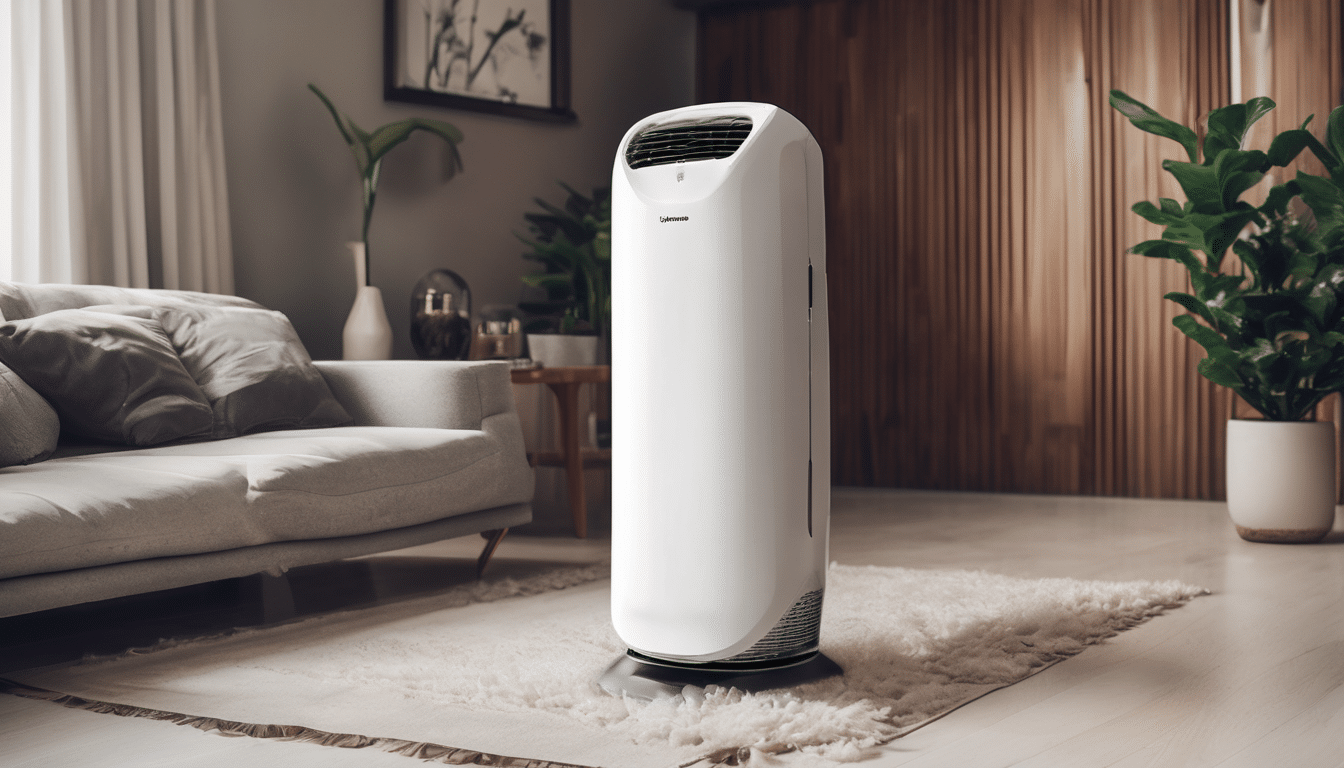
The most critical element of DIY Mold Prevention Tips for UAE Climate is humidity management. Indoor relative humidity should remain between 45-55% to prevent mould growth while maintaining comfort. Many Dubai residents mistakenly believe their AC systems automatically control humidity, but most standard systems only remove moisture as a byproduct of cooling. During humid seasons, you may need supplemental dehumidification, particularly in bathrooms, kitchens, and laundry areas.
Invest in a quality hygrometer to monitor humidity levels in different rooms. We recommend digital models with memory functions that track fluctuations over time. If you discover consistently high readings above 60%, consider a standalone dehumidifier for problem areas. For whole-house solutions, consult with HVAC specialists about upgrading to systems with dedicated dehumidification capabilities. Remember that humidity control represents the most effective DIY Mold Prevention Tips for UAE Climate because it addresses the fundamental requirement for microbial growth.
Diy Mold Prevention Tips for UAE Climate – Ventilation Improvements for Mold Prevention
Proper ventilation forms another cornerstone of effective DIY Mold Prevention Tips for UAE Climate. Many Dubai residents keep windows closed year-round due to heat and dust, creating stagnant air environments where moisture and pollutants accumulate. Develop a ventilation strategy that balances indoor air quality with energy efficiency. During the cooler winter months, establish a routine of opening windows for cross-ventilation during early morning and evening hours when outdoor humidity is lowest.
For year-round ventilation, consider installing energy recovery ventilators (ERVs) or heat recovery ventilators (HRVs) that exchange indoor and outdoor air while minimizing energy loss. In bathrooms and kitchens, ensure exhaust fans are properly sized and vented to the exterior rather than into attics or crawl spaces. Run bathroom fans for at least 30 minutes after showering to remove moisture effectively. These mechanical ventilation strategies complement natural methods in comprehensive DIY Mold Prevention Tips for UAE Climate.
AC System Maintenance for Mold Control
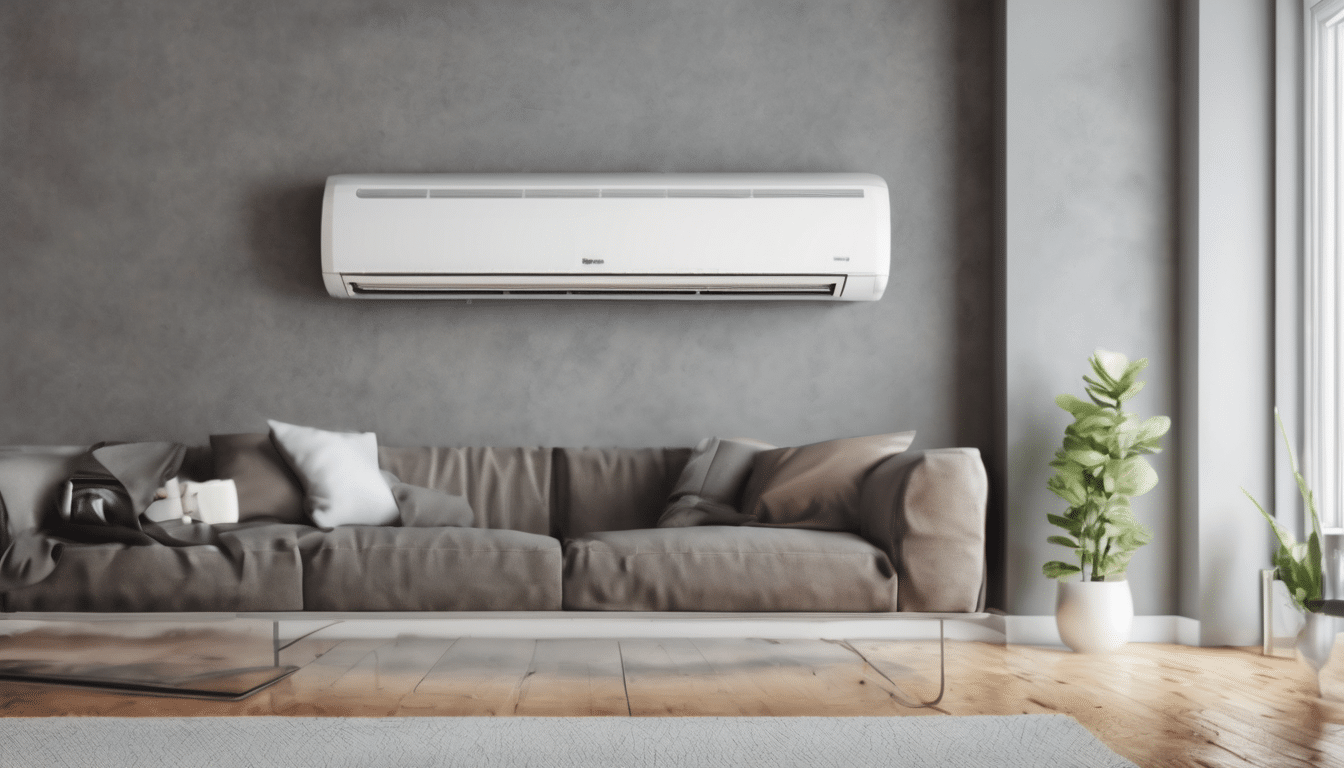
Your air conditioning system represents both a potential mold source and your primary defense against humidity when implementing DIY Mold Prevention Tips for UAE Climate. AC units create perfect breeding grounds when condensation drains become clogged or filters remain unchanged. Establish a rigorous maintenance schedule that includes monthly filter changes during high-use seasons, quarterly visual inspections of evaporator coils, and annual professional cleaning of ductwork if accessible.
Pay particular attention to the condensate drain line – when this clogs, water backs up into the system and creates ideal mold conditions. Some residents add algaecide tablets to drain pans, but we recommend physical cleaning instead as chemicals can affect indoor air quality. For split systems, ensure the insulation on refrigerant lines remains intact to prevent condensation drip. These AC-focused strategies form essential components of practical DIY Mold Prevention Tips for UAE Climate that homeowners can implement themselves.
Building Envelope and Moisture Management
The physical structure of your home requires attention in comprehensive DIY Mold Prevention Tips for UAE Climate. Dubai’s rapid temperature changes can cause building materials to expand and contract, creating micro-openings where moisture infiltrates. Conduct seasonal inspections of window seals, door gaskets, and external wall penetrations. Pay special attention to areas where different materials meet, as these junctions often develop gaps over time.
Inside your home, monitor for subtle signs of moisture intrusion including peeling paint, warping wood, or musty odors that appear suddenly. In villas, check crawl spaces and attic areas for proper ventilation and signs of condensation. For high-rise apartments, be aware that moisture can migrate from adjacent units through shared walls. These building science principles applied as DIY Mold Prevention Tips for UAE Climate help create defensible spaces against moisture intrusion.
DIY Monitoring and Early Detection Methods
Proactive monitoring represents the most sophisticated aspect of DIY Mold Prevention Tips for UAE Climate. Beyond visual inspection, several tools can help detect problems before they become visible. Thermal imaging cameras have become more affordable and can identify cold spots where condensation likely occurs. Moisture meters available at hardware stores can check wall and material moisture content behind surfaces.
For air quality monitoring, consider consumer-grade particle counters that detect elevated spore levels. While these cannot identify specific species, they can alert you to developing problems. Document your findings with photos and notes to establish baselines for comparison over time. This data-driven approach elevates your DIY Mold Prevention Tips for UAE Climate from guesswork to informed management based on measurable parameters.
When DIY Prevention Reaches Its Limits
Even the most comprehensive DIY Mold Prevention Tips for UAE Climate have limitations that homeowners should recognize. When you discover visible mould covering more than one square metre, experience persistent musty odours despite remediation efforts, or have family members developing unexplained respiratory symptoms, professional assessment becomes necessary. Our indoor sciences division frequently encounters situations where well-intentioned DIY approaches inadvertently spread contamination or address symptoms rather than root causes.
Professional mould assessment involves air sampling, surface sampling, and sometimes wall cavity investigations using borescopes. Laboratory analysis identifies not just whether mould is present, but what species, at what concentrations, and whether they’re actively growing. This scientific approach determines appropriate remediation strategies rather than guesswork. Understanding when to transition from DIY Mold Prevention Tips for UAE Climate to professional intervention protects both your property investment and your family’s health.
Expert Tips for Sustainable Mold Prevention
Based on twelve years of field investigations across Dubai properties, we’ve compiled these expert recommendations that go beyond basic DIY Mold Prevention Tips for UAE Climate. First, establish seasonal routines – before summer humidity peaks, verify all AC systems are functioning optimally; before winter rains, check external drainage and sealing. Second, document everything with photos and notes – mould prevention requires understanding patterns over time.
Third, invest in quality tools rather than makeshift solutions – proper moisture meters, hygrometers, and cleaning equipment yield better results. Fourth, focus on airflow – furniture placement should never block ventilation grilles or external walls. Fifth, when in doubt, seek professional assessment – sometimes paying for one hour of expert diagnosis saves thousands in remediation costs later.
Frequently Asked Questions
What humidity level prevents mould in Dubai homes?
Maintain indoor relative humidity between 45-55% for optimal mould prevention in Dubai’s climate. Below 45% may cause discomfort and respiratory irritation, while above 60% creates ideal conditions for mould growth. Use digital hygrometers to monitor different rooms, as humidity can vary significantly throughout your home.
How often should I clean my AC system to prevent mould?
For DIY maintenance, change filters monthly during high-use seasons and visually inspect evaporator coils quarterly. Professional duct cleaning should occur every 2-3 years depending on system usage and indoor air quality concerns. More frequent cleaning may be needed if occupants have respiratory conditions or you notice musty odours from vents.
Can mould grow in Dubai’s dry climate?
Absolutely. While outdoor conditions are often dry, indoor environments create microclimates where mould thrives. AC systems, bathrooms, kitchens, and poorly ventilated spaces provide sufficient moisture through condensation, leaks, or humidity. Dubai’s mould species are adapted to these conditions and can grow at lower humidity levels than varieties found in temperate climates.
What are the first signs of mould problems in UAE homes?
The earliest indicators often include persistent musty odours, increased allergy symptoms among occupants, condensation on windows or cold surfaces, and visible water staining. Many residents first notice problems when their AC systems develop unpleasant smells when starting up, indicating microbial growth in the evaporation coils or ductwork.
When should I call professionals instead of DIY approaches?
Seek professional assessment when visible mould covers more than one square metre, when musty odours persist despite cleaning efforts, when health symptoms correlate with time spent indoors, or when you discover moisture intrusion that has persisted for more than 48 hours. Professional assessment determines the root cause rather than just addressing visible signs.
Effective DIY Mold Prevention Tips for UAE Climate combine vigilance, proper tools, and understanding of Dubai’s unique building environment. While many prevention strategies can be implemented by homeowners, recognising the limits of DIY approaches protects both property investments and health. The most successful mould prevention programmes combine regular homeowner maintenance with periodic professional assessment to catch developing issues before they require extensive remediation.

JV de Castro, IAC2
JV de Castro is the Chief Technology Officer at Saniservice, where he leads innovation in indoor environmental sciences, IT infrastructure, and digital transformation. With over 20 years of experience spanning architecture, building science, technology management, digital media architecture, and consultancy, he has helped organizations optimize operations through smart solutions and forward-thinking strategies. JV holds a Degree in Architecture, a Masters of Research in Anthropology, an MBA in Digital Communication & Media, along with certifications in mold, building sciences and advanced networking. Passionate about combining technology, health, and sustainability, he continues to drive initiatives that bridge science, IT, and business impact.