Radon in UAE Soil: Understanding Local Geological Risks
Understanding Radon in UAE Soil: Understanding Local Geological Risks is essential. radon in UAE soil represents a measurable geological phenomenon that requires professional assessment rather than alarm. While the Emirates’ desert geology differs significantly from radon-prone regions like North America and Europe, specific local conditions can create elevated indoor radon levels in certain properties. The question isn’t whether radon exists in UAE soil—it does, as a natural decay product of uranium present in trace amounts across all geological formations—but rather what concentration levels emerge and how building characteristics influence indoor accumulation patterns.
As an IAC2 Certified Indoor Air Consultant with AARST radon measurement credentials, I approach Radon in UAE soil through systematic measurement rather than speculation. Every geological assessment begins with understanding the local context: the sand composition, underlying bedrock, construction methods, and ventilation patterns that collectively determine whether radon from UAE soil becomes a meaningful indoor air quality consideration. This relates directly to Radon in UAE Soil: Understanding Local Geological Risks.
Radon in UAE Soil: Understanding Local Geological Risks – Geological Foundations of Radon in UAE Soil
The UAE’s geological profile consists primarily of sedimentary formations—limestone, sandstone, and evaporite deposits—overlying crystalline basement rock. While these formations generally contain lower uranium concentrations than the granite-rich regions associated with high radon risk, localized variations exist. The carbonate rocks prevalent in the Emirates’ geological strata can contain trace uranium elements that decay into radon gas over geological timeframes. When considering Radon in UAE Soil: Understanding Local Geological Risks, this becomes clear.
Radon in UAE soil migrates through pore spaces between sand particles and rock fractures. The gas follows pressure differentials, moving from areas of high pressure (soil) to low pressure (building interiors). This transport mechanism means that even soils with moderate radon potential can produce elevated indoor levels if building conditions create strong pressure differentials or provide easy migration pathways.
Soil Composition and Radon Permeability
Dubai’s sandy soils generally exhibit high permeability, allowing radon gas to dissipate relatively quickly into the atmosphere rather than accumulating beneath structures. However, construction practices that alter soil density—such as compaction for foundation preparation—can reduce permeability and create conditions where radon in UAE soil accumulates near building substructures. The importance of Radon in UAE Soil: Understanding Local Geological Risks is evident here.
Radon in UAE Soil: Understanding Local Geological Risks – Regional Variations in Radon Potential Across the Emirates
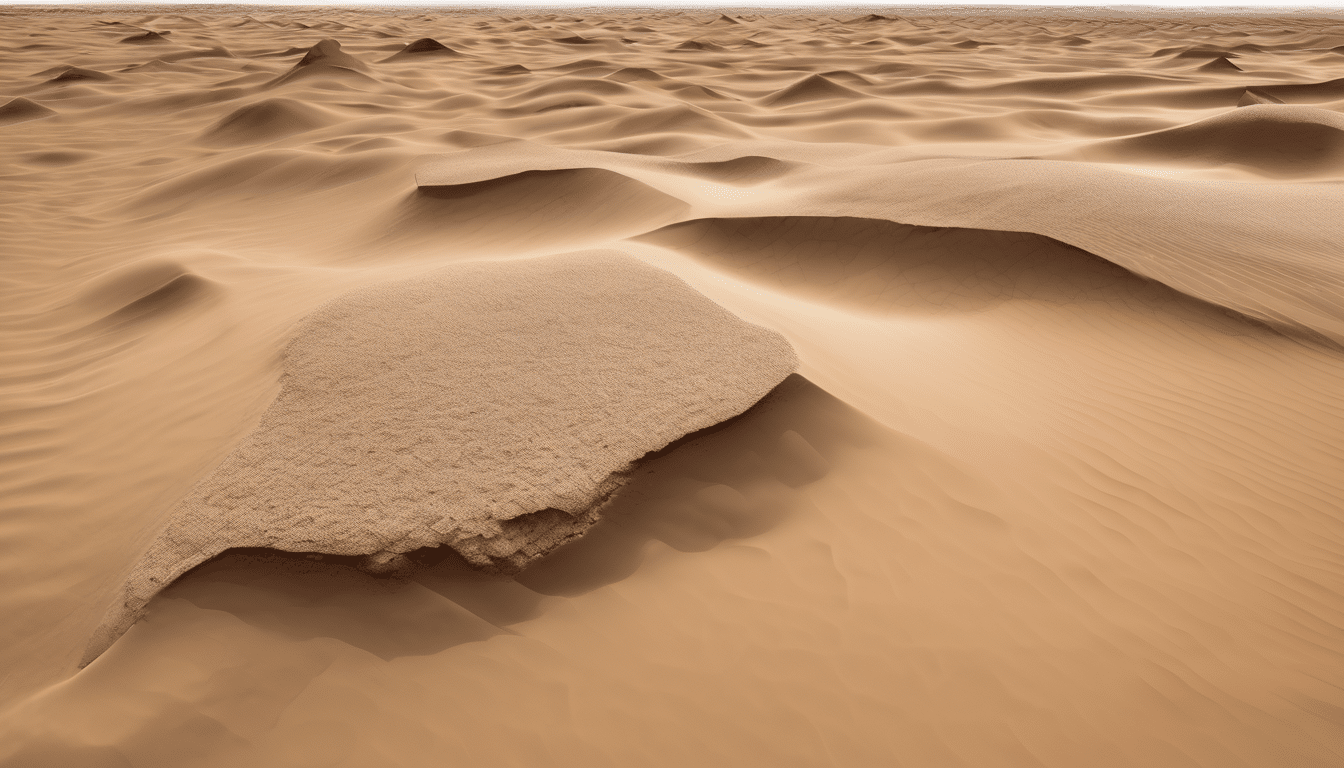
Radon in UAE soil demonstrates notable regional variations based on geological substrate. The coastal regions, characterized by carbonate sand and sabkha (salt flat) formations, typically show lower radon emission potential. Inland areas with closer proximity to the Hajar Mountains and their metamorphic rock components may present different radon characteristics.
During our field investigations, we’ve documented measurable differences in radon in UAE soil across different emirates. Properties in rocky foothill areas sometimes show slightly elevated sub-slab radon levels compared to coastal developments built on pure dune sand. These variations remain within moderate ranges compared to high-risk regions globally but underscore the importance of property-specific assessment. Understanding Radon in UAE Soil: Understanding Local Geological Risks helps with this aspect.
Radon in UAE Soil: Understanding Local Geological Risks – Building Factors That Amplify Radon in UAE Soil Risks
The interaction between radon in UAE soil and building structures creates the actual exposure scenario. Modern UAE construction methods—particularly the widespread use of reinforced concrete slabs directly on compacted soil—can create ideal conditions for soil gas entry if not properly designed. Several building-specific factors influence whether radon in UAE soil becomes an indoor air quality concern.
Villa properties with basement levels or sunken living areas demonstrate the highest potential for radon entry from UAE soil. The negative pressure differential created by air conditioning systems, particularly during summer months, can draw soil gases upward through cracks in foundation slabs or utility penetrations. High-rise apartments typically show lower radon risk from UAE soil due to separation from ground contact, though ground-floor units warrant assessment. Radon in UAE Soil: Understanding Local Geological Risks factors into this consideration.
Measurement Protocols for Radon in UAE Soil
Professional assessment of radon in UAE soil follows established measurement protocols adapted to local conditions. Short-term charcoal canister tests provide initial screening, while long-term alpha track detectors (90-day minimum) deliver the most accurate representation of actual exposure levels. We recommend simultaneous placement of devices in lowest occupied levels and corresponding outdoor locations to establish baseline comparisons.
The UAE’s climate presents unique measurement considerations for radon in UAE soil assessment. Extreme summer temperatures and air conditioning usage patterns influence pressure differentials and ventilation rates, making annual average measurements more representative than seasonal snapshots. Professional-grade continuous radon monitors that track hourly fluctuations provide the most comprehensive data for properties undergoing assessment. This relates directly to Radon in UAE Soil: Understanding Local Geological Risks.
Radon in UAE Soil Versus Global Context
When contextualizing radon in UAE soil, it’s important to recognize that the Emirates generally falls within the low-to-moderate risk category compared to regions with uranium-rich granite bedrock. The World Health Organization’s radon action level of 100 Bq/m³ provides a reference point, with most UAE properties testing below this threshold based on our laboratory data.
However, “generally lower risk” doesn’t mean “no risk.” We’ve documented properties in specific geological settings with radon levels approaching or occasionally exceeding reference levels. These cases typically involve villas with specific foundation characteristics built on particular soil types, reinforcing the need for property-specific assessment rather than generalized assumptions about radon in UAE soil. When considering Radon in UAE Soil: Understanding Local Geological Risks, this becomes clear.
Mitigation Strategies for Radon in UAE Soil
When radon measurements indicate elevated levels, mitigation strategies focus on preventing soil gas entry and enhancing dilution ventilation. Active soil depressurization systems—the gold standard for radon mitigation—can be adapted to UAE construction methods. These systems create negative pressure beneath foundation slabs, diverting radon gas before it enters living spaces.
For properties with moderate radon levels from UAE soil, passive mitigation approaches often prove sufficient. Sealing foundation cracks and utility penetrations, combined with strategic ventilation improvements, typically reduces concentrations below action levels. The extreme heat during summer months complicates ventilation-based solutions, making professional engineering assessment essential for effective mitigation design. The importance of Radon in UAE Soil: Understanding Local Geological Risks is evident here.
Professional Assessment Approach to Radon in UAE Soil
Our methodology for evaluating radon in UAE soil begins with geological context assessment, reviewing area soil maps and construction records. We then conduct diagnostic pressure differential measurements between soil and interior spaces to identify migration pathways. Only after establishing these baseline conditions do we deploy appropriate measurement devices for the recommended duration.
The interpretation of radon measurement results requires understanding local living patterns. Unlike temperate climates where seasonal variations follow traditional patterns, radon in UAE soil interacts with year-round air conditioning usage, creating unique exposure profiles that professional assessment must account for in risk evaluation. Understanding Radon in UAE Soil: Understanding Local Geological Risks helps with this aspect.
Expert Recommendations for UAE Homeowners
For homeowners concerned about radon in UAE soil, we recommend a measured approach based on property characteristics and usage patterns. Villas with basements or ground-floor living spaces warrant preventive assessment, particularly if family members include sensitive populations such as young children or individuals with respiratory conditions.
New construction projects in areas with specific geological characteristics should consider radon-resistant construction techniques during design phase. These preventive measures—including vapor barriers, sealed foundation penetrations, and passive ventilation pathways—prove far more cost-effective than retroactive mitigation for radon in UAE soil. Radon in UAE Soil: Understanding Local Geological Risks factors into this consideration.
Frequently Asked Questions
How common is high radon in UAE soil?
Elevated radon levels from UAE soil remain relatively uncommon compared to high-risk regions globally. However, specific property conditions can create localized concentrations warranting professional assessment, particularly in villas with basement areas or certain geological settings.
Should all Dubai properties test for radon?
We recommend radon assessment for villas with basements or ground-floor living spaces, properties built on rocky substrates, and homes with family members experiencing unexplained respiratory issues. High-rise apartments above ground floor typically demonstrate lower priority for radon testing from UAE soil.
What is the best time to test for radon in UAE soil?
Year-round testing provides the most accurate assessment of radon in UAE soil due to consistent air conditioning usage. However, the winter months when windows occasionally open may show different patterns than summer sealed-building conditions.
Can radon in UAE soil affect water quality?
While radon can dissolve into groundwater, the UAE’s primarily desalinated water supply minimizes this exposure pathway. Properties using well water in certain northern emirates should include water testing in comprehensive radon assessment.
How long does professional radon assessment take?
Comprehensive evaluation of radon in UAE soil requires minimum 90-day measurement for accurate annual average determination. Short-term screening tests (2-7 days) provide preliminary indication but cannot replace long-term assessment for reliable results.
Understanding radon in UAE soil begins with recognizing it as a measurable environmental factor rather than an immediate health emergency. Professional assessment provides the data needed to make informed decisions about mitigation needs based on actual exposure levels rather than generalized concerns. The unique geological and architectural context of the Emirates creates a distinct radon profile that requires localized understanding and appropriate response strategies when warranted by measurement results. Understanding Radon in UAE Soil: Understanding Local Geological Risks is key to success in this area.

JV de Castro, IAC2
JV de Castro is the Chief Technology Officer at Saniservice, where he leads innovation in indoor environmental sciences, IT infrastructure, and digital transformation. With over 20 years of experience spanning architecture, building science, technology management, digital media architecture, and consultancy, he has helped organizations optimize operations through smart solutions and forward-thinking strategies. JV holds a Degree in Architecture, a Masters of Research in Anthropology, an MBA in Digital Communication & Media, along with certifications in mold, building sciences and advanced networking. Passionate about combining technology, health, and sustainability, he continues to drive initiatives that bridge science, IT, and business impact.