Mold Remediation Process for Dubai Villas and Apartments
In Dubai’s unique climate, where 45°C outdoor temperatures meet 80% humidity and full AC-dependency indoors, the mold remediation process for Dubai villas and apartments follows a science-backed protocol rather than conventional cleaning methods. The approach combines building physics understanding with microbiological verification, addressing not just visible growth but the entire contamination signature that develops in our desert-meets-marine environment.
The complete mold remediation process for Dubai villas and apartments begins with comprehensive assessment and ends with laboratory-verified clearance testing, ensuring that what appears clean to the eye meets scientific standards for indoor environmental quality. This systematic approach recognises that Dubai properties face distinct challenges—thermal bridging in rapidly constructed buildings, central water tank systems, and AC units that become microbial reservoirs when improperly maintained.
Mold Remediation Process for Dubai Villas and Apartments – Initial Assessment and Contamination Mapping
Every proper mold remediation process for Dubai villas and apartments starts with diagnostic precision rather than assumption. We begin with a thorough visual inspection using high-intensity lighting to identify visible growth patterns, water stains, and material degradation. This initial assessment establishes the contamination extent and helps determine the appropriate containment strategy.
Thermal imaging becomes particularly valuable in Dubai’s construction context, where hidden moisture often migrates through concrete slabs and behind tiles. We document temperature differentials that indicate moisture presence, even when surfaces appear dry. This non-invasive method helps map the full extent of water intrusion without destructive testing initially.
Laboratory Analysis and Speciation
Surface and air sampling provides critical data before remediation begins. Unlike generic mold tests, our in-house laboratory analysis identifies specific species concentrations—particularly important in Dubai where xerophilic (dry-loving) and thermophilic (heat-tolerant) species dominate. Knowing whether we’re dealing with Aspergillus, Cladosporium, or Chaetomium informs both the remediation approach and health implications.
Mold Remediation Process for Dubai Villas and Apartments – Containment Engineering and Negative Pressure
The core of the professional mold remediation process for Dubai villas and apartments involves engineering controls that prevent cross-contamination. We establish physical barriers using 6-mil polyethylene sheeting to isolate affected areas, creating a contained workspace separate from clean zones. This containment strategy is particularly crucial in apartment buildings where spores could migrate to neighbouring units.
Negative air pressure machines with HEPA filtration maintain air flow direction from clean to contaminated areas, ensuring spores don’t disperse during removal. We monitor pressure differentials throughout the process, maintaining at least 0.02 inches of water column difference. This engineering approach distinguishes professional remediation from basic cleaning services.
Mold Remediation Process for Dubai Villas and Apartments – HEPA Filtration and Air Scrubbing
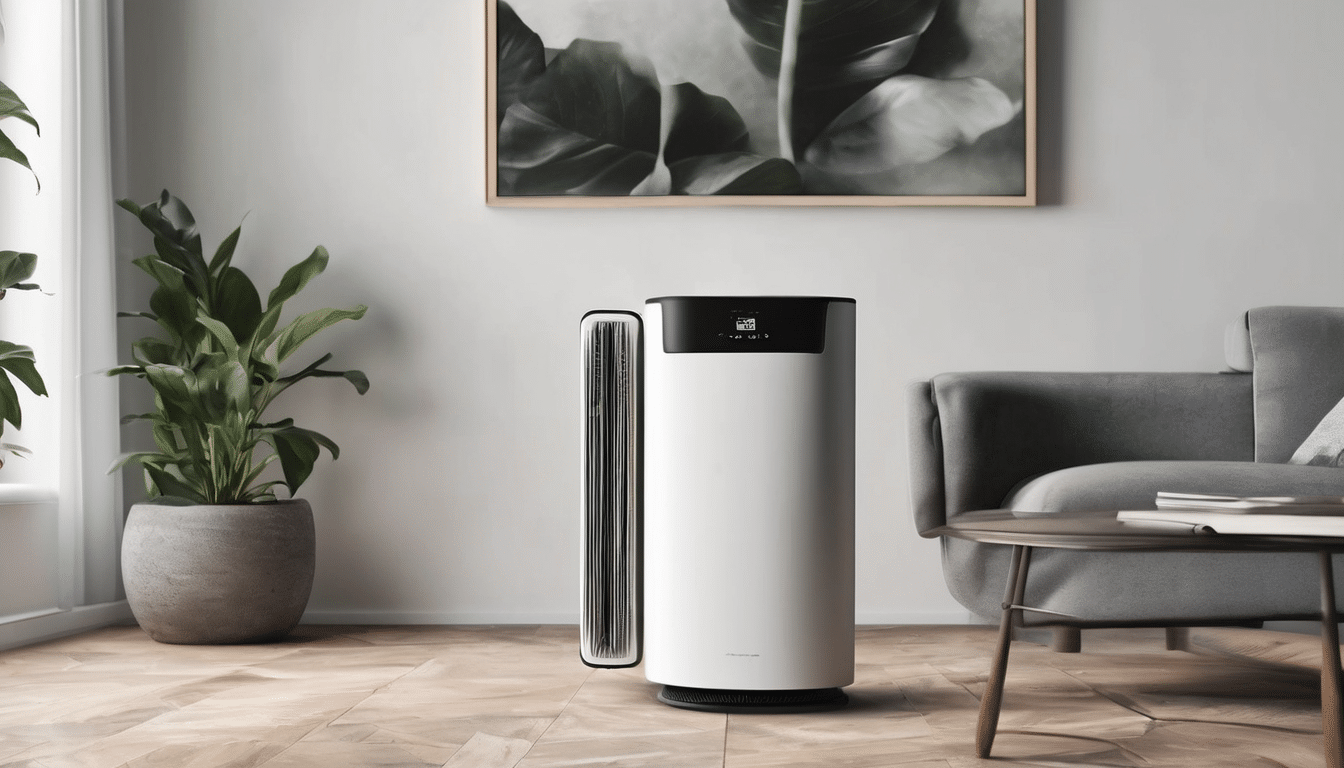
Continuous air filtration runs throughout the mold remediation process for Dubai villas and apartments. Industrial-grade HEPA air scrubbers capture 99.97% of particles down to 0.3 microns, including mold spores, fragments, and dust. These units operate both within containment and in adjacent areas to maintain air quality during the process.
For severe contamination cases, we employ specialised filtration techniques including carbon adsorption for musty odours and UV-C treatment for airborne microbial reduction. The combination of mechanical filtration and supplemental treatments addresses both particulate and gaseous contaminants that often accompany mold growth in enclosed Dubai spaces.
Material Removal and Cleaning Protocols
Porous materials with visible mold growth require removal rather than cleaning—this includes drywall, insulation, carpeting, and furniture that cannot be effectively remediated. We follow precise cutting techniques to minimise dust generation, removing materials in sealed bags directly through containment barriers to prevent cross-contamination.
Non-porous surfaces undergo aggressive cleaning using EPA-registered antimicrobial solutions applied according to manufacturer specifications. We use specialised tools including wire brushes, scrapers, and HEPA-vacuums to remove all visible growth and residues. All cleaning occurs within containment under controlled conditions.
Post-Remediation Verification and Clearance Testing
The final phase of the mold remediation process for Dubai villas and apartments involves laboratory-verified clearance testing. We conduct post-remediation visual inspection to confirm all visible mold has been removed and all surfaces are free from dust and debris. Then we perform air and surface sampling to compare against pre-remediation baselines.
Our in-house microbiology lab processes these samples, providing quantifiable data showing spore counts have returned to normal levels. This scientific verification provides documented proof that the remediation achieved its objectives—something particularly valuable for property transactions, insurance claims, or health-sensitive situations.
Preventive Measures and Moisture Control
Complete mold remediation process for Dubai villas and apartments includes addressing the underlying moisture sources that caused the growth. We conduct building science assessments to identify condensation issues, plumbing leaks, or envelope failures that require correction. This might involve improving ventilation, adding insulation to prevent thermal bridging, or repairing waterproofing systems.
We provide specific recommendations tailored to Dubai’s climate—maintaining AC systems to prevent condensation, managing indoor humidity levels between 45-55%, and ensuring proper drainage around villa foundations. These preventive measures help ensure the remediation provides lasting results rather than temporary fixes.
Documentation and Reporting Standards
Professional mold remediation process for Dubai villas and apartments generates comprehensive documentation including photographs, moisture readings, laboratory reports, and detailed procedure records. This documentation serves multiple purposes—verifying work completion, providing baseline data for future comparisons, and supporting insurance or legal requirements when needed.
We provide clients with a complete project file that includes before-and-after evidence, laboratory results, and specific recommendations for maintaining indoor environmental quality. This transparent approach distinguishes science-backed remediation from superficial cleaning services.
Expert Tips for Dubai Homeowners
When considering mold remediation process for Dubai villas and apartments, prioritise companies with proper certifications and laboratory capabilities. Look for IICRC-certified firms with in-house testing rather than those relying on external laboratories with week-long turnaround times. The ability to test immediately before and after remediation provides critical verification.
Understand that complete remediation addresses both visible growth and invisible contamination. Proper containment engineering prevents cross-contamination to clean areas of your home. Always request post-remediation verification testing—visual inspection alone cannot confirm spore levels have returned to normal ranges.
Address underlying moisture issues concurrently with mold removal. Remediation without moisture control will result in recurrence. Consider professional assessment of your AC system, plumbing, and building envelope to prevent future problems.
Frequently Asked Questions
How long does mold remediation take in Dubai properties?
The mold remediation process for Dubai villas and apartments typically requires 3-7 days depending on contamination extent. Simple cases might complete in 2-3 days, while severe contamination with structural repairs can take over a week. Containment setup and clearance testing add time but are essential for proper results.
Can I stay in my home during mold remediation?
For extensive mold remediation process for Dubai villas and apartments, temporary relocation is often recommended. Containment barriers limit access to affected areas, and the process generates dust and noise. For health-sensitive individuals or large-scale projects, staying elsewhere ensures safety and allows technicians to work efficiently.
Does home insurance cover mold remediation in Dubai?
Most Dubai home insurance policies cover mold remediation only if caused by a sudden insured event like plumbing leakage. Gradual moisture issues or maintenance-related mold typically aren’t covered. Review your policy details and document the moisture source thoroughly with photographs and professional assessments.
How do I prevent mold recurrence after remediation?
Successful mold remediation process for Dubai villas and apartments includes addressing underlying moisture sources. Maintain indoor humidity below 55%, ensure AC systems drain properly, repair leaks promptly, and improve ventilation in moisture-prone areas. Regular professional HVAC cleaning prevents microbial growth in air handling systems.
What makes Dubai mold remediation different from other regions?
Dubai’s climate creates unique mold remediation challenges—extreme heat, high humidity, and AC-dependent buildings favour thermophilic and xerophilic species. Construction methods and materials common in UAE properties require specialised understanding of moisture movement through concrete and behind tiles.
The mold remediation process for Dubai villas and apartments combines architectural understanding with microbiological science to address our region’s specific challenges. From initial assessment through laboratory-verified clearance, each step ensures not just visible cleanliness but scientifically verified indoor environmental quality. This comprehensive approach provides lasting solutions rather than temporary fixes, protecting both property value and occupant health in Dubai’s demanding climate.

JV de Castro, IAC2
JV de Castro is the Chief Technology Officer at Saniservice, where he leads innovation in indoor environmental sciences, IT infrastructure, and digital transformation. With over 20 years of experience spanning architecture, building science, technology management, digital media architecture, and consultancy, he has helped organizations optimize operations through smart solutions and forward-thinking strategies. JV holds a Degree in Architecture, a Masters of Research in Anthropology, an MBA in Digital Communication & Media, along with certifications in mold, building sciences and advanced networking. Passionate about combining technology, health, and sustainability, he continues to drive initiatives that bridge science, IT, and business impact.