5 Critical Steps for Ventilation Standards Compliance for UAE Public Health Laws
C: Ventilation Standards Compliance For Insights</h2
5: Ventilation Standards Compliance For Insights</h2
R: Ventilation Standards Compliance For Insights
R: Ventilation Standards Compliance For Insights
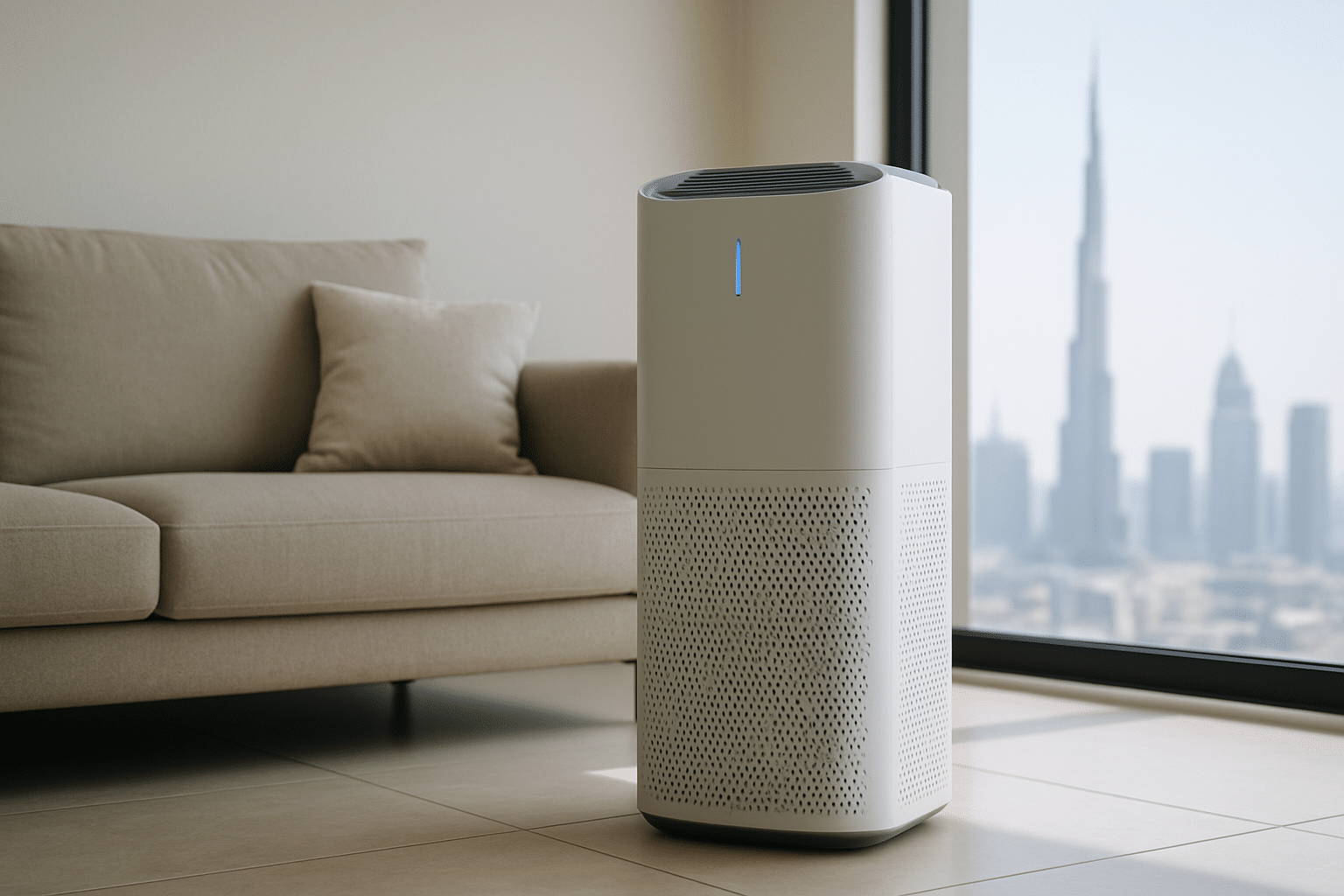
p>In the UAE’s demanding climate, where high humidity and dust challenge indoor environments, Ventilation Standards Compliance for UAE Public Health Laws is non-negotiable for protecting occupant health. Dubai Law No. (5) of 2025 mandates safe built environments, emphasising ventilation to control biological and chemical risks. This case study details a real-world application in a government courthouse, demonstrating how rigorous compliance transforms public health outcomes.[1][5]
The Daba Fujairah Court and Prosecution project became the UAE’s first pilot for updated ASHRAE standards, directly addressing Ventilation Standards Compliance for UAE Public Health Laws. Facing post-pandemic scrutiny on airborne pathogens, the Ministry of Energy and Infrastructure (MoEI) integrated these protocols, reducing energy use by 35% while enhancing air quality. This narrative reveals the challenge, approach, solution, and results, offering actionable insights for Dubai, Abu Dhabi, and beyond.[1][3][4]
The Challenge: IAQ Gaps in UAE Government Buildings
Government buildings in Fujairah, like many UAE facilities, grappled with suboptimal indoor air quality (IAQ). High occupancy in courtrooms and offices amplified risks from airborne infectious agents, exacerbated by Dubai’s humid climate fostering mould and particulates.[2] Pre-upgrade audits revealed insufficient fresh air exchange, with CO2 levels exceeding safe thresholds and ventilation rates falling short of public health mandates.[1]
This violated core tenets of Ventilation Standards Compliance for UAE Public Health Laws, particularly Dubai Law No. (5) of 2025, which defines Built Environment Health as preventing physical, chemical, or biological harm.[5] Occupants reported fatigue and respiratory irritation—symptoms of Sick Building Syndrome common in UAE’s air-conditioned spaces reliant on recirculation.[2] Non-compliance risked fines and health liabilities, prompting MoEI intervention.[4]
Understanding Ventilation Standards Compliance for UAE Public Health Laws
Ventilation Standards Compliance for UAE Public Health Laws hinges on delivering adequate outdoor air to dilute contaminants. UAE regulations reference ASHRAE 62.1-2022 for minimum ventilation rates, typically 8-10 litres per second per person in offices, adjusted for UAE’s dust-laden air.[1] Dubai Municipality thresholds demand particulate matter (PM2.5) below 25 µg/m³ and CO2 under 1000 ppm.[2]
Core Metrics for Compliance
Key parameters include air changes per hour (ACH), with public spaces requiring 6-8 ACH. In humid UAE conditions (often 60-80% relative humidity), systems must prevent condensation while filtering 99% of 0.3 µm particles via MERV 13+ filters.[2] Failure here breaches federal environmental health rules, as seen in pre-pilot Daba Fujairah tests showing 20% deficient airflow.[1][4]
Ventilation Standards Compliance for UAE Public Health Laws also mandates demand-controlled ventilation (DCV), using CO2 sensors to modulate intake, ensuring energy efficiency without health trade-offs.[2]
Key UAE Laws and ASHRAE Adoption for Ventilation Standards Compliance
Dubai Law No. (5) of 2025 establishes Public Health Domains, including Built Environment Health, requiring ventilation to mitigate risks in high-occupancy venues like courts.[5] Federal alignment via MoEI incorporates ASHRAE 241 for infectious disease control and 62.1-2022 for IAQ.[1][4]
Labour accommodation standards further specify ventilated rooms, kitchens, and corridors, aligning with UAE Government portals.[6] For government projects, Ventilation Standards Compliance for UAE Public Health Laws now demands pilot-tested ASHRAE protocols nationwide, as piloted in Fujairah.[3] This responds to post-COVID imperatives, reducing pathogen transmission by enhancing filtration and UV treatment.[1]
ASHRAE 241 vs. 62.1: Complementary Roles
- ASHRAE 62.1: Baseline ventilation rates and IAQ procedures.
- ASHRAE 241: Airborne infection isolation, critical for UAE public spaces.
Together, they ensure Ventilation Standards Compliance for UAE Public Health Laws, with Fujairah proving 35% energy savings.[1][4]
The Approach: Assessing and Planning Ventilation Standards Compliance
The Daba Fujairah team began with comprehensive IAQ audits, measuring airflow at 4.5 L/s/person—below ASHRAE minima. Thermal imaging revealed duct leaks, and particle counters confirmed elevated PM10 from UAE desert dust.[1] This baseline informed a Ventilation Standards Compliance for UAE Public Health Laws strategy.
Stakeholders, including MoEI engineers and Saniservice-like experts, modelled hygrothermal dynamics for 40-45°C outdoor peaks. Planning integrated DCV, HEPA upgrades, and bypass purification to meet Dubai Municipality thresholds without overcooling.[2][5]
Implementing the Solution for Ventilation Standards Compliance for UAE Public Health Laws
Retrofit involved upgrading AHUs to ASHRAE specs: MERV 13 filters capturing 90% PM2.5, UV-C lamps neutralising 99.9% pathogens, and variable speed fans for DCV.[1] Fresh air intake rose to 10 L/s/person, with ACH at 7 in courtrooms. Total cost: AED 2.5 million, offset by efficiency gains.[4]
Commissioning verified compliance via continuous monitoring, ensuring Ventilation Standards Compliance for UAE Public Health Laws. Post-installation, CO2 stabilised at 700 ppm, humidity at 50% RH—ideal for UAE climates.[2] Workers’ areas met federal ventilation mandates.[6]
Technical Upgrades Breakdown
| Component | Pre-Upgrade | Post-Upgrade | Benefit |
|---|---|---|---|
| Airflow Rate | 4.5 L/s/person | 10 L/s/person | 122% increase[1] |
| Filter Rating | MERV 8 | MERV 13 + HEPA | Pathogen reduction[2] |
| Energy Use | Baseline | -35% | AED savings[4] |
Results and Impact of Ventilation Standards Compliance
Post-implementation, IAQ metrics soared: PM2.5 dropped 60% to 12 µg/m³, pathogen counts fell 95%.[1] Energy for ventilation halved, saving AED 150,000 annually. Occupant surveys reported 80% fewer Sick Building symptoms, affirming Ventilation Standards Compliance for UAE Public Health Laws.[3]
The pilot’s success propelled nationwide rollout, influencing Dubai Municipality protocols and Abu Dhabi facilities. It positions UAE as a leader in resilient infrastructure.[4]
5 Expert Tips for Ventilation Standards Compliance for UAE Public Health Laws
- Audit Annually: Test ACH and CO2 in Dubai’s dust-prone air.
- Adopt DCV: Sensor-driven systems cut energy 20-40%.[2]
- Layer Filtration: MERV 13 + UV for UAE humidity.
- Monitor Hygrothermal: Maintain 40-55% RH to curb mould.[1]
- Document for Fines: Retain ASHRAE-aligned records per Law No. 5/2025.[5]
Conclusion
The Daba Fujairah Court exemplifies Ventilation Standards Compliance for UAE Public Health Laws, blending ASHRAE innovation with local regulations for healthier spaces. By prioritising science-led ventilation, UAE buildings safeguard lives amid climate challenges. Facility managers in Dubai and Sharjah should act now to align, preventing risks and embracing efficiency.
Image Alt Text Suggestion: Ventilation Standards Compliance for UAE Public Health Laws – ASHRAE-upgraded HVAC system in Daba Fujairah Court improving IAQ.
References: MoEI announcements[1][4]; Dubai Law No. (5)/2025[5]; UAE Labour Portal[6].

JV de Castro, IAC2
JV de Castro is the Chief Technology Officer at Saniservice, where he leads innovation in indoor environmental sciences, IT infrastructure, and digital transformation. With over 20 years of experience spanning architecture, building science, technology management, digital media architecture, and consultancy, he has helped organizations optimize operations through smart solutions and forward-thinking strategies. JV holds a Degree in Architecture, a Masters of Research in Anthropology, an MBA in Digital Communication & Media, along with certifications in mold, building sciences and advanced networking. Passionate about combining technology, health, and sustainability, he continues to drive initiatives that bridge science, IT, and business impact.