Dubai What To Expect: Hvac Air Quality Inspection Dubai
Understanding Hvac Air Quality Inspection Dubai: What To Expect is essential. When Dubai’s relentless heat forces us to rely on air conditioning systems for survival, few homeowners realise the hidden health risks lurking within their HVAC units. As someone who has built Dubai’s only indoor environmental microbiology laboratory and conducted hundreds of HVAC air quality inspections across the UAE, I’ve witnessed firsthand how neglected systems become breeding grounds for contaminants that compromise indoor air quality and family health. The HVAC Air Quality inspection Dubai what to expect process involves much more than a simple filter check—it’s a comprehensive scientific assessment that combines architectural understanding with microbiological analysis to identify hidden threats.
Throughout my 12 years with Saniservice, I’ve developed specialised protocols for HVAC air quality inspection Dubai what to expect that address the unique challenges of our desert climate. The combination of extreme heat, high humidity during certain seasons, and continuous AC operation creates perfect conditions for microbial growth, dust accumulation, and chemical contamination within HVAC systems. Understanding the HVAC air quality inspection Dubai what to expect process empowers homeowners to make informed decisions about their indoor environmental health. This relates directly to Hvac Air Quality Inspection Dubai: What To Expect.
Hvac Air Quality Inspection Dubai: What To Expect – Understanding HVAC Air Quality Inspection Dubai What to Expe
A professional HVAC air quality inspection Dubai what to expect involves a comprehensive assessment of your heating, ventilation, and air conditioning system’s impact on indoor environmental quality. Unlike basic maintenance checks that focus on mechanical function, this inspection examines how your HVAC system affects the air you breathe. The process combines visual assessment, environmental measurement, and laboratory analysis to identify contaminants, assess system performance, and recommend improvements. When considering Hvac Air Quality Inspection Dubai: What To Expect, this becomes clear.
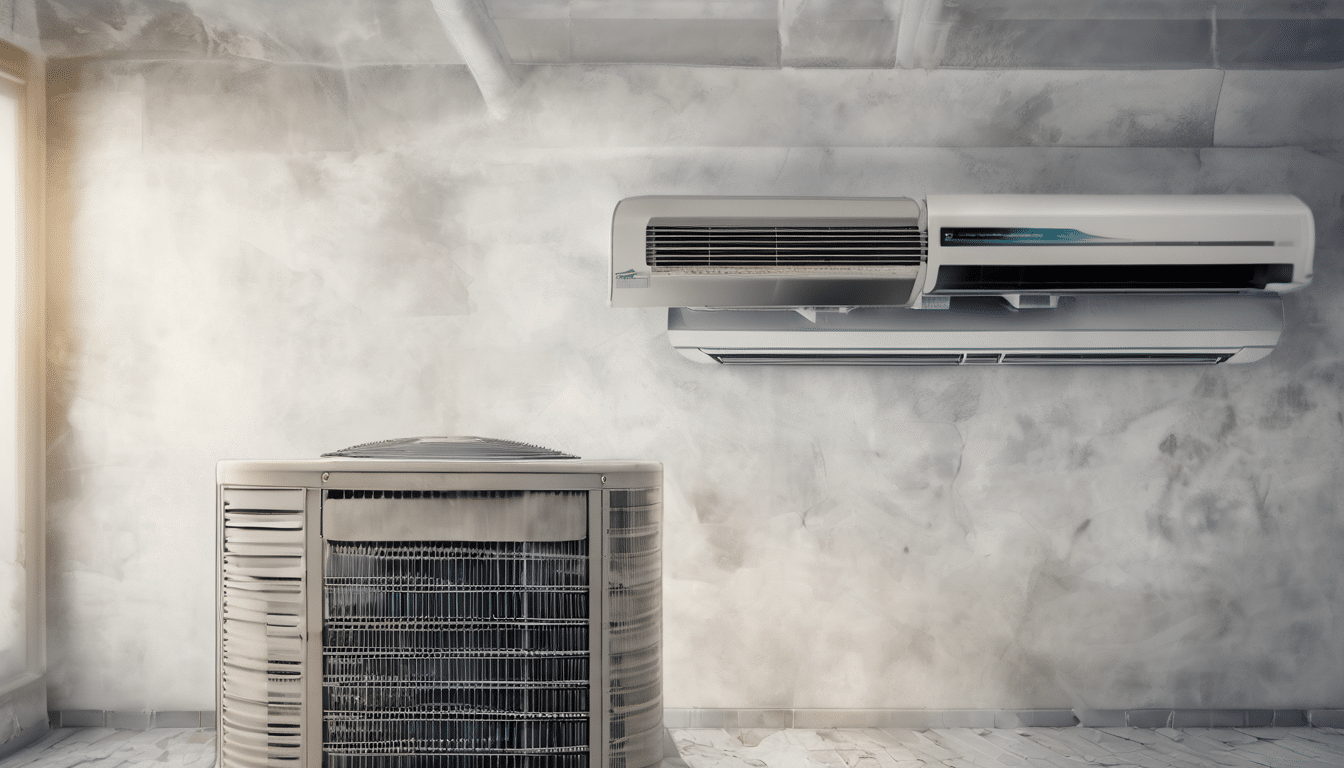
During an HVAC air quality inspection Dubai what to expect, technicians examine all components that contact circulating air, including ductwork, coils, filters, and drain pans. They measure temperature and humidity levels at various points in the system, assess airflow patterns, and collect samples for laboratory analysis. The goal is to identify any biological, chemical, or particulate contaminants that could affect occupant health and system efficiency.
Key Components Assessed
The inspection covers six critical components: air handling units, supply and return ducts, filters, cooling coils, drain pans, and ventilation intakes. Each component presents unique contamination risks that require specific assessment techniques. For example, cooling coils often harbour mould growth due to condensation, while ductwork can accumulate dust and debris that becomes airborne when the system operates. The importance of Hvac Air Quality Inspection Dubai: What To Expect is evident here.
Hvac Air Quality Inspection Dubai: What To Expect – Why Dubai HVAC Systems Need Special Attention
Dubai’s extreme climate creates unique challenges for HVAC systems that make regular air quality inspections particularly important. The combination of high outdoor temperatures (frequently exceeding 40°C), dust storms, and high humidity during certain seasons creates perfect conditions for system contamination. HVAC systems in Dubai operate almost continuously for much of the year, accelerating wear and contamination accumulation.
The construction practices common in Dubai also contribute to HVAC air quality issues. Many buildings use centralised systems with extensive ductwork that can develop leaks, allowing unconditioned air and contaminants to enter the system. The rapid construction pace sometimes leads to installation issues that affect long-term performance. Understanding these Dubai-specific factors is crucial when considering HVAC air quality inspection Dubai what to expect. Understanding Hvac Air Quality Inspection Dubai: What To Expect helps with this aspect.
Hvac Air Quality Inspection Dubai: What To Expect – The 5-Step HVAC Inspection Process Explained
The HVAC air quality inspection Dubai what to expect typically follows a systematic five-step process that ensures comprehensive assessment. First, the technician conducts a visual inspection of all accessible components using specialised lighting and video scopes when necessary. They document any visible mould growth, dust accumulation, water damage, or mechanical issues that could affect air quality.
Second, environmental measurements are taken throughout the system. This includes temperature and humidity readings at multiple points, airflow velocity measurements, and assessment of ventilation rates. Third, air and surface samples are collected for laboratory analysis. Air samples help identify airborne contaminants, while surface samples from coils, ducts, and other components identify microbial growth. Hvac Air Quality Inspection Dubai: What To Expect factors into this consideration.
Fourth, the technician assesses system operation and maintenance history. They review filter types and replacement schedules, cleaning history, and any previous issues reported. Finally, all findings are compiled into a comprehensive report with recommendations for addressing identified issues. This structured approach to HVAC air quality inspection Dubai what to expect ensures no critical elements are overlooked.
Common Contaminants Found During Inspection
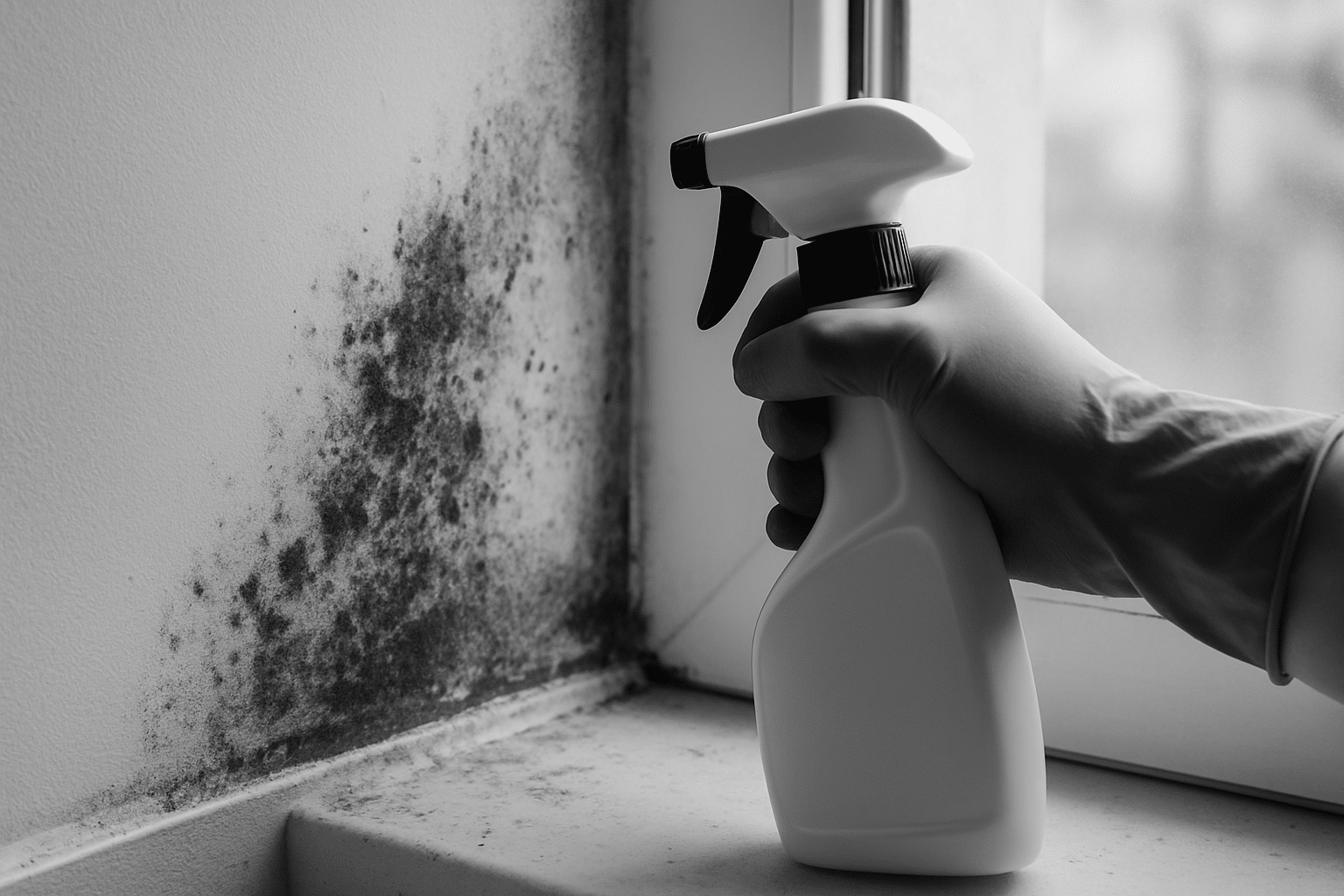
During an HVAC air quality inspection Dubai what to expect, professionals typically encounter several types of contaminants. Biological contaminants include mould spores, bacteria, and allergens that thrive in moist, dark environments within HVAC systems. Chemical contaminants may include volatile organic compounds (VOCs) from building materials, cleaning products, or outdoor pollution that enters through ventilation intakes. This relates directly to Hvac Air Quality Inspection Dubai: What To Expect.
Particulate matter represents another common finding during HVAC air quality inspection Dubai what to expect. Dust, pollen, and other airborne particles accumulate in ductwork and on components, becoming airborne when the system operates. In some cases, we’ve identified pest contamination from insects or rodents that have accessed ductwork. Each type of contaminant requires specific remediation approaches to effectively address the issue.
Mould Species Commonly Found
Through our microbiology laboratory analysis, we’ve identified several mould species commonly found in Dubai HVAC systems. Aspergillus and Penicillium species are frequently present due to their ability to thrive in the cool, damp conditions of AC systems. Cladosporium may also be present, particularly in systems with moisture issues. Identifying specific species helps determine appropriate remediation strategies. When considering Hvac Air Quality Inspection Dubai: What To Expect, this becomes clear.
Interpreting Your HVAC Inspection Report
After completing the HVAC air quality inspection Dubai what to expect process, you’ll receive a detailed report that may seem technical at first glance. The report typically includes sections on visual findings, laboratory results, environmental measurements, and recommendations. Laboratory results will show types and concentrations of contaminants identified, often compared to outdoor baseline samples and established guidelines.
The recommendations section is particularly important—it provides specific actions to address identified issues. These may include duct cleaning, coil treatment, filter upgrades, humidity control measures, or system modifications. The report should also prioritise recommendations based on health risk and cost-effectiveness. Understanding your HVAC air quality inspection Dubai what to expect report empowers you to make informed decisions about necessary actions. The importance of Hvac Air Quality Inspection Dubai: What To Expect is evident here.
Costs and Investment Considerations
The cost of an HVAC air quality inspection Dubai what to expect varies based on system size, complexity, and testing scope. Basic visual inspections start around AED 800-1,200, while comprehensive inspections including laboratory analysis typically range from AED 1,500-3,500 for residential systems. Commercial system inspections can cost AED 4,000-8,000 depending on size and complexity.
While these costs may seem significant, they represent a valuable investment in your health and system efficiency. Contaminated HVAC systems can increase energy consumption by 15-30% due to reduced airflow and heat transfer efficiency. More importantly, they can contribute to health issues that result in medical costs and reduced quality of life. The HVAC air quality inspection Dubai what to expect process provides the information needed to target investments where they’ll have the greatest impact. Understanding Hvac Air Quality Inspection Dubai: What To Expect helps with this aspect.
When to Schedule Your Inspection
Knowing when to schedule your HVAC air quality inspection Dubai what to expect is crucial for maintaining system health. We recommend annual inspections for most residential systems, ideally before the peak cooling season begins around March or April. This timing allows any identified issues to be addressed before the system operates intensively during the hottest months.
Additional inspections may be warranted after specific events such as major dust storms, water damage incidents, or renovation projects that could introduce contaminants into the system. If occupants experience unexplained health symptoms that worsen when the HVAC system operates, an inspection should be scheduled promptly. Understanding the HVAC air quality inspection Dubai what to expect timing helps ensure issues are identified before they become serious problems. Hvac Air Quality Inspection Dubai: What To Expect factors into this consideration.
DIY vs Professional Inspection Options
While homeowners can perform basic visual checks as part of routine maintenance, professional HVAC air quality inspection Dubai what to expect requires specialised equipment and expertise. DIY approaches are limited to visual assessment of accessible components and filter changes. They cannot assess microbial contamination, identify specific mould species, or measure airflow and ventilation parameters accurately.
Professional inspections bring several advantages to the HVAC air quality inspection Dubai what to expect process. Technicians use specialised equipment including borescopes for inspecting duct interiors, thermal imaging cameras for identifying moisture issues, and calibrated instruments for environmental measurements. Most importantly, they have the training to interpret findings accurately and recommend appropriate actions based on scientific evidence rather than guesswork. This relates directly to Hvac Air Quality Inspection Dubai: What To Expect.
Expert Tips for Maintaining HVAC Air Quality
Based on my experience with hundreds of HVAC air quality inspection Dubai what to expect cases, I recommend these maintenance practices: change filters every 3 months (monthly during dusty periods), ensure proper drainage from condensate pans, maintain indoor humidity below 55%, schedule professional cleaning every 2-3 years, and address water leaks promptly to prevent mould growth within systems.
Frequently Asked Questions
How long does a typical HVAC inspection take?
A comprehensive HVAC air quality inspection Dubai what to expect typically takes 2-4 hours for a residential system, depending on size and accessibility. Commercial system inspections may require 4-8 hours. Laboratory analysis adds 2-3 days to the process before final reporting. When considering Hvac Air Quality Inspection Dubai: What To Expect, this becomes clear.
Can HVAC contamination cause health problems?
Yes, contaminated HVAC systems can significantly impact health. Mold spores, bacteria, and other contaminants circulated through systems can trigger allergic reactions, asthma attacks, and respiratory infections. Some mold species produce mycotoxins that may cause more serious health issues with prolonged exposure.
How often should duct cleaning be performed?
Duct cleaning frequency depends on multiple factors including system usage, filter quality, and environmental conditions. Most Dubai homes benefit from professional duct cleaning every 2-3 years, with more frequent cleaning needed in dusty environments or when contamination is identified during HVAC air quality inspection Dubai what to expect. The importance of Hvac Air Quality Inspection Dubai: What To Expect is evident here.
Conclusion
Understanding the HVAC air quality inspection Dubai what to expect process empowers homeowners to protect their families from invisible indoor air quality threats. The combination of visual assessment, environmental measurement, and laboratory analysis provides a comprehensive picture of your system’s impact on indoor air quality. Regular inspections represent a valuable investment in both health protection and system efficiency, particularly in Dubai’s challenging climate where HVAC systems work tirelessly to maintain comfort.
As someone who has built Dubai’s only indoor environmental microbiology laboratory specifically to address these issues, I’ve seen how proper HVAC maintenance and inspection can transform indoor environmental quality. The HVAC air quality inspection Dubai what to expect process isn’t just about identifying problems—it’s about creating healthier indoor environments where families can thrive despite the external climate challenges. By understanding what to expect and acting on the findings, Dubai residents can ensure their HVAC systems protect rather than compromise their health. Understanding Hvac Air Quality Inspection Dubai: What To Expect is key to success in this area.

JV de Castro, IAC2
JV de Castro is the Chief Technology Officer at Saniservice, where he leads innovation in indoor environmental sciences, IT infrastructure, and digital transformation. With over 20 years of experience spanning architecture, building science, technology management, digital media architecture, and consultancy, he has helped organizations optimize operations through smart solutions and forward-thinking strategies. JV holds a Degree in Architecture, a Masters of Research in Anthropology, an MBA in Digital Communication & Media, along with certifications in mold, building sciences and advanced networking. Passionate about combining technology, health, and sustainability, he continues to drive initiatives that bridge science, IT, and business impact.