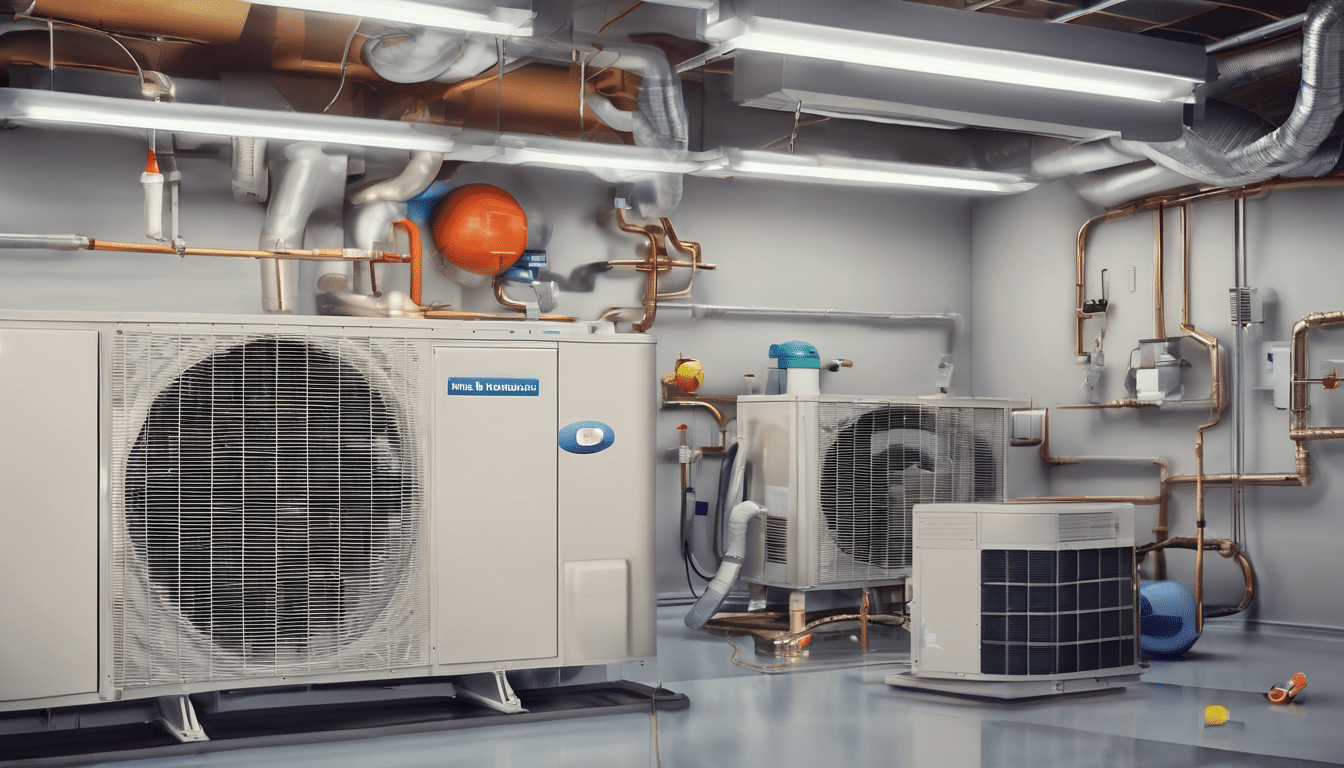
HVAC System Maintenance for Childcare Centres
HVAC system maintenance for childcare centres represents one of the most critical yet often overlooked aspects of early childhood facility management. In Dubai’s extreme climate, where children spend the majority of their time indoors with artificial cooling, the quality of indoor air directly impacts respiratory health, cognitive development, and overall wellbeing. Proper HVAC system maintenance for childcare centres isn’t merely about temperature control—it’s about creating environments where young immune systems can thrive rather than struggle against airborne contaminants.
The unique vulnerability of children to indoor air pollutants makes HVAC system maintenance for childcare centres particularly crucial. Children breathe more air relative to their body weight, their respiratory systems are still developing, and they spend significant time on floors where contaminants settle. In UAE nursery environments, where air conditioning runs continuously for most of the year, maintaining these systems becomes a non-negotiable health imperative rather than just a maintenance concern.
Understanding HVAC System Maintenance for Childcare Centres
HVAC system maintenance for childcare centres encompasses far more than simple filter changes and occasional servicing. It represents a comprehensive approach to managing the entire indoor environmental system that protects children’s health. Unlike commercial or residential HVAC maintenance, childcare facilities require specialised protocols that account for heightened sensitivity to airborne particles, chemical off-gassing from toys and materials, and the unique metabolic output of multiple small occupants in confined spaces.
In Dubai’s climate context, HVAC system maintenance for childcare centres must address the constant battle against desert dust infiltration while managing humidity levels that can fluctuate dramatically between indoor and outdoor environments. The extreme temperature differentials create condensation risks within HVAC systems themselves, potentially leading to microbial growth if not properly maintained. Regular HVAC system maintenance for childcare centres prevents these conditions from developing into health hazards.
Critical Components of HVAC System Maintenance for Childcare Centres
Effective HVAC system maintenance for childcare centres involves multiple interconnected components that must work in harmony. The mechanical systems require regular inspection of compressors, fans, motors, and electrical connections to ensure optimal performance. Cooling coils must be cleaned quarterly to maintain efficiency and prevent microbial growth. Drain pans and condensate lines need monthly inspection to prevent blockages that can lead to water damage and mold formation.
Beyond the mechanical aspects, HVAC system maintenance for childcare centres includes monitoring and adjusting airflow patterns to ensure proper ventilation throughout all activity areas. Sleeping areas, play spaces, and eating areas each have different ventilation requirements that must be addressed through strategic HVAC maintenance. Air balance testing should be conducted annually to verify that all spaces receive adequate air exchange rates according to Dubai Municipality standards for childcare facilities.
Seasonal Considerations for UAE Childcare Facilities
The extreme seasonal variations in Dubai necessitate different HVAC system maintenance for childcare centres approaches throughout the year. Summer months require intensified focus on humidity control and filtration efficiency as systems work hardest during peak cooling season. Winter maintenance shifts toward ensuring proper ventilation during periods when windows might be opened, creating different particle infiltration patterns. Transition periods between seasons demand comprehensive system checks to address changing operational demands.
Duct Cleaning in HVAC System Maintenance for Childcare Centres
Duct system maintenance forms a critical component of comprehensive HVAC system maintenance for childcare centres. Air ducts in nursery environments accumulate dust, allergens, and potentially microbial contamination over time. Unlike residential settings, childcare facilities experience higher particle generation from activities like crafting, playing with certain materials, and the constant movement of children. Professional duct cleaning should be performed annually using HEPA-filtered equipment to prevent contaminant redistribution.
During duct cleaning as part of HVAC system maintenance for childcare centres, technicians should inspect for any signs of moisture intrusion, which can lead to mold growth within the ductwork. Any insulation lining ducts should be examined for deterioration or contamination. Seals and connections must be verified to prevent air leakage that reduces system efficiency. After cleaning, antimicrobial treatments may be applied in specific circumstances, though these should be carefully selected for safety in child-occupied spaces.
Filter Replacement Protocols for Childcare HVAC Systems
Filter management represents the most frequently addressed aspect of HVAC system maintenance for childcare centres, yet it’s often performed inadequately. Standard fibreglass filters provide minimal protection and should be upgraded to MERV 8-11 filters for basic particulate capture. For facilities with children who have respiratory conditions, MERV 13 filters offer superior protection against smaller particles, though they require more frequent changes due to faster loading.
Filter replacement schedules for HVAC system maintenance for childcare centres must be accelerated compared to other building types. Monthly inspection is essential, with replacement typically needed every 2-3 months depending on outdoor air quality conditions and indoor activity levels. During sandstorm events common in the UAE, additional filter changes may be necessary. Each filter change should include documentation of the date, filter type installed, and any observations about filter condition that might indicate system issues.
Humidity Control in Dubai Childcare HVAC Systems
Humidity management constitutes a particularly challenging aspect of HVAC system maintenance for childcare centres in Dubai’s climate. While outdoor humidity levels fluctuate, indoor relative humidity should be maintained between 40-60% to minimize microbial growth while preventing respiratory irritation. HVAC systems must be properly sized and maintained to handle the latent heat load from both outdoor air and occupant moisture generation.
During HVAC system maintenance for childcare centres, technicians should calibrate humidity sensors and verify that dehumidification functions operate correctly. Drain pans must be kept clean and free-flowing to prevent water accumulation that increases humidity levels. In facilities experiencing persistent humidity problems, supplemental dehumidification systems may be necessary. Regular monitoring with calibrated hygrometers provides data to track performance and identify trends that might indicate developing system issues.
Professional vs DIY HVAC System Maintenance for Childcare Centres
While basic filter changes can be handled by facility staff, comprehensive HVAC system maintenance for childcare centres requires professional expertise. Certified HVAC technicians bring specialised equipment for coil cleaning, refrigerant level checks, electrical testing, and combustion safety verification (where applicable). Their training enables identification of developing problems before they become system failures or health hazards.
Professional HVAC system maintenance for childcare centres typically includes performance testing to verify system capacity meets design specifications. Technicians measure temperature differentials across coils, amp draws on motors, and static pressure across filters to assess system health. These quantitative measurements provide objective data for making maintenance decisions and planning for system upgrades or replacements. The cost of professional HVAC system maintenance for childcare centres typically ranges from AED 1,500-4,000 annually depending on system size and complexity.
Documentation and Compliance for Childcare HVAC Maintenance
Proper documentation forms an essential component of HVAC system maintenance for childcare centres for both operational and regulatory purposes. Dubai Municipality requirements for childcare facilities include maintaining records of HVAC maintenance, filter changes, and indoor air quality assessments. Documentation should include dates of service, specific work performed, parts replaced, and any recommendations for future attention.
Beyond compliance, thorough documentation of HVAC system maintenance for childcare centres provides valuable data for tracking system performance over time. Patterns of filter loading, refrigerant loss, or repeated component failures can indicate underlying issues needing addressed. This historical data becomes particularly valuable when making decisions about system upgrades or replacements. Digital maintenance tracking systems can streamline this process while ensuring accessibility for inspections and audits.
Expert Tips for Optimal HVAC System Maintenance
Based on extensive field experience with childcare facilities across Dubai, these expert recommendations will enhance your HVAC system maintenance for childcare centres program:
- Establish a colour-coded maintenance calendar specific to each HVAC unit, accounting for varying usage patterns in different building areas
- Install particle counters in return air ducts to objectively measure filter loading rather than relying solely on visual inspection
- Use high-quality pleated filters with antimicrobial treatment specifically rated for childcare environments
- Train staff to recognize early warning signs of HVAC problems including unusual noises, odours, or temperature inconsistencies
- Create designated outdoor air intake zones away from loading areas, trash collection points, or other contamination sources
- Implement a seasonal startup and shutdown checklist that includes comprehensive system verification
- Maintain negative pressure in toilet areas and positive pressure in sleeping areas through proper air balance management
- Consider UV-C light installation in air handling units for additional microbial control in high-humidity conditions
FAQ: HVAC System Maintenance for Childcare Centres
How often should HVAC filters be changed in childcare centres?
Filters should be inspected monthly and typically replaced every 2-3 months. During periods of high outdoor pollution or sandstorms, more frequent changes may be necessary. The specific schedule depends on filter type, system runtime, and outdoor air quality conditions.
What temperature should be maintained in Dubai childcare facilities?
The ideal temperature range for childcare facilities is 22-24°C. This range provides comfort while minimizing the extreme differential with outdoor temperatures that can cause condensation issues within building assemblies.
Are there specific Dubai regulations for childcare centre HVAC maintenance?
While Dubai Municipality doesn’t publish specific HVAC maintenance protocols, childcare facilities must maintain indoor air quality standards and document regular maintenance. Compliance with manufacturer recommendations and industry best practices is expected during facility inspections.
Can poor HVAC maintenance affect licensing for childcare centres?
Yes, inadequate HVAC system maintenance for childcare centres can impact licensing if inspections reveal poor indoor air quality, mold issues, or inadequate ventilation. Documentation of regular maintenance is typically reviewed during the licensing process.
What are the signs that our childcare centre needs HVAC attention?
Warning signs include persistent stuffy air, unusual odours, excessive dust accumulation, humidity problems, temperature inconsistencies between rooms, increased allergy symptoms among children or staff, and visible mold growth around vents or equipment.
Proper HVAC system maintenance for childcare centres represents both a regulatory responsibility and an ethical commitment to children’s health. In Dubai’s demanding climate, where HVAC systems operate continuously for much of the year, proactive maintenance prevents problems rather than reacting to failures. The investment in comprehensive HVAC system maintenance for childcare centres returns dividends through improved health outcomes, reduced absenteeism, and optimal learning environments where children can thrive. By implementing the strategies outlined here, childcare operators can ensure their facilities provide the healthy indoor environments that young developing bodies require.

JV de Castro, IAC2
JV de Castro is the Chief Technology Officer at Saniservice, where he leads innovation in indoor environmental sciences, IT infrastructure, and digital transformation. With over 20 years of experience spanning architecture, building science, technology management, digital media architecture, and consultancy, he has helped organizations optimize operations through smart solutions and forward-thinking strategies. JV holds a Degree in Architecture, a Masters of Research in Anthropology, an MBA in Digital Communication & Media, along with certifications in mold, building sciences and advanced networking. Passionate about combining technology, health, and sustainability, he continues to drive initiatives that bridge science, IT, and business impact.