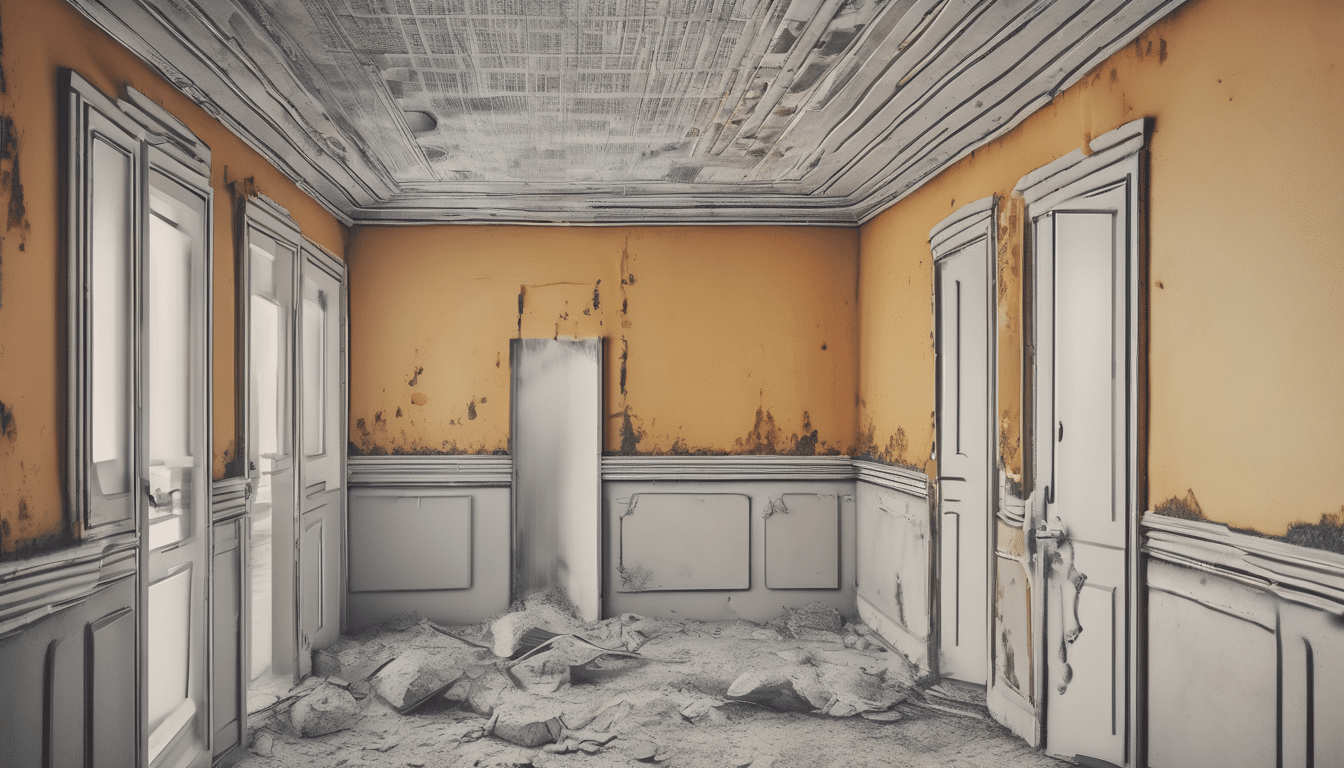
Hidden Mold Detection Techniques in UAE Buildings Guide
Hidden mold contamination represents one of the most significant indoor environmental health concerns across UAE buildings, particularly in Dubai’s unique climate where air conditioning creates ideal conditions for concealed microbial growth. The challenge with Hidden Mold Detection techniques in UAE buildings lies in the fact that contamination often develops in spaces residents never see—behind walls, under flooring, within ceiling cavities, and throughout HVAC systems. Unlike visible mold growth that homeowners might notice during routine cleaning, hidden mold can proliferate for months or even years before causing noticeable health effects or structural damage.
In my twelve years directing Saniservice’s Indoor Sciences division here in Dubai, I’ve developed specialised hidden mold detection techniques in UAE buildings that combine architectural understanding with microbiological science. The UAE’s particular combination of extreme outdoor heat and humidity with aggressively air-conditioned interiors creates unique hygrothermal conditions that frequently lead to concealed condensation and mold growth at building envelope interfaces. This makes hidden mold detection techniques in UAE buildings not just a luxury service but an essential component of property maintenance and health protection.
This comprehensive guide will explore six proven hidden mold detection techniques in UAE buildings that we’ve refined through thousands of investigations across Dubai villas, apartments, and commercial properties. From thermal imaging technology to strategic air sampling protocols, you’ll learn how professionals systematically identify concealed contamination that typical visual inspections would completely miss. Understanding these hidden mold detection techniques in UAE buildings empowers property owners, facility managers, and health-conscious residents to address mold problems at their source rather than merely treating surface symptoms.
Hidden Mold Detection Techniques In Uae Buildings – Understanding UAE Climate Challenges for Mold Growth
The effectiveness of hidden mold detection techniques in UAE buildings begins with understanding why the region’s climate creates such prolific concealed mold problems. Dubai’s exterior environment regularly reaches 45°C with humidity levels exceeding 80% during summer months, while interior spaces maintain 22-24°C with relative humidity ideally below 50%. This dramatic differential creates what building scientists call “hygrothermal pressure” at building envelopes—the transitional zones where conditioned indoor air meets unconditioned outdoor air.
These pressure differentials drive moisture migration through building assemblies, often resulting in concealed condensation at thermal bridges—points where building materials with different insulation values meet. Common problem areas in UAE construction include concrete slab edges meeting exterior walls, metal window frames, structural supports penetrating insulated cavities, and poorly sealed HVAC ductwork. The hidden mold detection techniques in UAE buildings must account for these specific construction vulnerabilities that differ significantly from mold issues in temperate climates.
Another critical factor in hidden mold detection techniques in UAE buildings is the region’s rapid construction history. During Dubai’s building boom, many properties were constructed with inadequate attention to vapor barriers, proper flashing details, and comprehensive air sealing. These construction shortcomings, combined with the extreme climate differentials, create perfect conditions for hidden mold growth that may not become apparent until years after occupancy. Our hidden mold detection techniques in UAE buildings specifically target these common construction weaknesses that experience has shown to be recurrent problem areas across the emirate.
Hidden Mold Detection Techniques In Uae Buildings – Thermal Imaging for Hidden Mold Detection
Thermal imaging represents one of the most valuable hidden mold detection techniques in UAE buildings because it allows professionals to see temperature variations that indicate moisture problems behind finished surfaces. Unlike visible light cameras that show what the human eye can see, thermal cameras detect infrared radiation, creating colour-coded images that visualise temperature differences as small as 0.1°C. These temperature variations often correlate with moisture presence since wet materials retain temperature differently than dry materials.
When applying thermal imaging as part of hidden mold detection techniques in UAE buildings, our certified thermographers systematically scan all interior surfaces, paying particular attention to exterior walls, corners, ceilings below bathrooms, and areas around HVAC components. Cold spots often indicate concealed moisture that could support mold growth, while warm spots may reveal air leaks bringing humid air into building cavities. The technology requires expert interpretation since not all temperature variations indicate moisture problems—professional training distinguishes between concerning patterns and normal thermal bridges.
In one notable Dubai villa case study, thermal imaging revealed an extensive cold pattern along the entire perimeter where the floor met exterior walls. This thermal anomaly indicated consistent condensation at the concrete slab edge, a common issue in UAE construction where insulation detailing is inadequate. Subsequent investigation confirmed massive hidden mold growth behind skirting boards throughout the property. This case exemplifies why thermal imaging remains an essential component of comprehensive hidden mold detection techniques in UAE buildings, allowing professionals to identify problems long before they become visible or cause structural damage.
Hidden Mold Detection Techniques In Uae Buildings – Moisture Meter Measurement Techniques
Professional-grade moisture meters provide quantitative data that complements the qualitative information from thermal imaging in hidden mold detection techniques in UAE buildings. These instruments measure moisture content in building materials through either pin-type probes that penetrate slightly into materials or pinless sensors that scan surfaces without damage. For hidden mold detection techniques in UAE buildings, we typically begin with non-invasive scanning meters to identify areas of concern, then use pin-type meters to obtain precise moisture percentage readings when needed.
The interpretation of moisture meter readings requires understanding of material-specific moisture thresholds—what constitutes a “dry” reading for concrete differs significantly from acceptable moisture levels in drywall or wood. In hidden mold detection techniques in UAE buildings, we establish baseline moisture readings in known dry areas of each property, then compare problem area readings against these baselines. Moisture content readings above 15-20% in organic materials like wood or drywall typically indicate conditions conducive to mold growth, while concrete readings above 3-5% often warrant further investigation.
Strategic moisture mapping forms a critical component of hidden mold detection techniques in UAE buildings. Rather than random testing, professionals systematically document moisture readings throughout a property, creating detailed maps that reveal moisture patterns and gradients. These patterns often point to the source of moisture intrusion—whether from plumbing leaks, condensation issues, or exterior water penetration. The combination of moisture mapping with thermal imaging creates a powerful diagnostic approach in hidden mold detection techniques in UAE buildings that identifies both the presence of moisture and its likely sources.
Strategic Air Sampling Protocols
Air sampling represents another scientific approach in hidden mold detection techniques in UAE buildings that detects elevated spore levels indicating concealed mold reservoirs. Unlike surface sampling that identifies visible growth, air sampling can reveal hidden mold problems through elevated spore counts in indoor air compared to outdoor control samples. This method is particularly valuable in hidden mold detection techniques in UAE buildings because airborne spores often originate from concealed growth sites that haven’t yet become visible to occupants.
Professional air sampling in hidden mold detection techniques in UAE buildings typically uses spore trap samples that collect airborne particles on a sticky surface for laboratory analysis. We employ strategic sampling protocols that include outdoor control samples, indoor samples from multiple locations, and often aggressive sampling that disturbs potential contamination sites to release trapped spores. The laboratory analysis identifies mold types and quantifies spore concentrations, providing scientific data that guides further investigation and remediation planning.
In our hidden mold detection techniques in UAE buildings, we’ve developed specific sampling strategies for Dubai’s climate challenges. During summer months when windows remain closed and HVAC systems operate continuously, we often find elevated spore counts indicating hidden HVAC contamination. During winter when some residents open windows, we may find different patterns indicating concealed growth in exterior wall cavities. These seasonal variations require adaptive sampling strategies in hidden mold detection techniques in UAE buildings that account for how building operation changes throughout the year.
Borescope Inspection Methods
Borescope inspection provides direct visual confirmation in hidden mold detection techniques in UAE buildings, allowing professionals to see inside wall cavities, ceiling spaces, and other concealed areas without major destructive investigation. These flexible fiberoptic or digital cameras can be inserted through small access holes (typically 10-20mm diameter) to visually inspect areas that would otherwise require removing drywall, plaster, or other finished surfaces. This minimally invasive approach makes borescope inspection an invaluable tool in hidden mold detection techniques in UAE buildings where residents understandably wish to avoid unnecessary damage to finishes.
The effectiveness of borescope inspection in hidden mold detection techniques in UAE buildings depends heavily on strategic access point selection. Based on thermal imaging and moisture meter findings, professionals identify the most promising locations for borescope insertion. Common access points include electrical outlet openings, light fixture holes, ventilation grilles, and strategically placed small holes in inconspicuous areas. The camera’s articulating tip allows 360-degree viewing within cavities, providing visual confirmation of suspected mold growth, moisture damage, or construction issues contributing to the problem.
In one compelling case, borescope inspection through an electrical outlet revealed extensive hidden mold growth in the wall cavity behind a kitchen cabinet in a Dubai apartment. The residents had reported musty odors but no visible mold, and previous inspectors had missed the problem because the kitchen appeared clean and dry. This case demonstrates why borescope inspection remains an essential component of comprehensive hidden mold detection techniques in UAE buildings—sometimes seeing truly is believing, and direct visual evidence confirms suspicions raised by other investigative methods.
Professional Mold Assessment Process
A comprehensive professional assessment integrates all these hidden mold detection techniques in UAE buildings into a systematic diagnostic process. The assessment begins with detailed occupant interviews and building history review, followed by thorough visual inspection documenting all moisture stains, discoloration, and potential problem areas. Professionals then implement the sequence of hidden mold detection techniques in UAE buildings: thermal imaging to identify temperature anomalies, moisture meters to quantify concerns, strategic air sampling to assess airborne spores, and targeted borescope inspection to visually confirm findings.
The professional assessment culminates in a detailed report that documents all findings, includes laboratory analysis results when applicable, and provides specific recommendations for addressing identified problems. For hidden mold detection techniques in UAE buildings, this report must distinguish between actual contamination identified and potential risk conditions observed. The recommendations typically include both immediate remediation needs and longer-term building modifications to prevent recurrence—addressing the root causes rather than merely treating symptoms, which is particularly important in Dubai’s challenging climate.
Professional hidden mold detection techniques in UAE buildings typically cost between AED 1,500 and AED 4,000 depending on property size and complexity, representing excellent value when compared to the health consequences and structural damage that undetected mold can cause. Many Dubai residents consider this assessment before property purchase, after water incidents, or when experiencing unexplained health symptoms that might indicate concealed mold problems. The investment in professional hidden mold detection techniques in UAE buildings provides peace of mind and scientific certainty about a property’s indoor environmental health.
Expert Tips for UAE Homeowners
Based on twelve years of experience with hidden mold detection techniques in UAE buildings, here are my top recommendations for Dubai homeowners concerned about concealed mold problems:
- Monitor indoor humidity levels with affordable hygrometers, maintaining indoor relative humidity below 50% to discourage mold growth
- Pay attention to persistent musty odors that don’t resolve with cleaning—this often indicates hidden mold problems
- Address water leaks immediately and thoroughly dry affected areas within 24-48 hours to prevent mold establishment
- Ensure HVAC systems receive professional cleaning and maintenance annually, as they commonly harbour hidden mold
- Consider professional assessment before purchasing properties, especially villas and older apartments with complex construction histories
- Be particularly vigilant about areas where different materials meet—wall-floor junctions, window frames, and plumbing penetrations
- Improve ventilation in bathrooms and kitchens where moisture generation is highest, using exhaust fans that vent outdoors
- Never ignore persistent respiratory symptoms that improve when away from home—this classic pattern often indicates hidden mold issues
Frequently Asked Questions
How often should UAE homeowners conduct hidden mold detection assessments?
We recommend professional hidden mold detection techniques in UAE buildings every 2-3 years for preventive monitoring, or immediately after any significant water event like leaks, floods, or HVAC condensate overflow. Properties with known moisture issues or historical problems may benefit from annual assessments until underlying issues are resolved.
Can hidden mold detection techniques identify all mold problems in a building?
While comprehensive hidden mold detection techniques in UAE buildings significantly improve detection rates compared to visual inspection alone, no method guarantees 100% identification of all concealed mold. Professional assessment typically identifies the majority of significant contamination, particularly when multiple complementary techniques are employed by experienced investigators.
What are the health risks associated with hidden mold in UAE homes?
Hidden mold exposure can cause respiratory issues, allergic reactions, asthma exacerbation, and in some cases, more serious health effects related to mycotoxin exposure. The risks are particularly concerning for children, elderly residents, and individuals with compromised immune systems or existing respiratory conditions.
Are DIY mold test kits effective for hidden mold detection?
DIY mold test kits sold in Dubai supermarkets generally provide limited value for hidden mold detection techniques in UAE buildings. These kits typically identify whether mold is present (which is almost always true in some quantity) but cannot quantify problems, identify specific species, or locate hidden contamination sources. Professional assessment provides significantly more actionable information.
How quickly should hidden mold be addressed once detected?
Confirmed hidden mold problems should be addressed within days rather than weeks, as active growth can spread rapidly in Dubai’s climate. Professional remediation should begin immediately after assessment, with temporary relocation recommended for sensitive individuals during the process.
Hidden mold detection techniques in UAE buildings have evolved significantly as professionals like our team at Saniservice have developed specialised approaches for Dubai’s unique climate and construction challenges. The combination of thermal imaging, moisture mapping, air sampling, and borescope inspection provides a comprehensive assessment strategy that identifies concealed mold problems before they cause significant health effects or structural damage. As Dubai continues to develop and buildings age, these hidden mold detection techniques in UAE buildings will become increasingly important for maintaining healthy indoor environments across the emirate.
Remember that hidden mold detection techniques in UAE buildings represent a specialised field requiring proper training, certification, and experience. While homeowners can monitor for signs and symptoms, professional assessment provides the scientific certainty needed to make informed decisions about remediation and prevention. Investing in proper hidden mold detection techniques in UAE buildings protects not only your property value but more importantly, the health and wellbeing of everyone who lives or works in the space.

JV de Castro, IAC2
JV de Castro is the Chief Technology Officer at Saniservice, where he leads innovation in indoor environmental sciences, IT infrastructure, and digital transformation. With over 20 years of experience spanning architecture, building science, technology management, digital media architecture, and consultancy, he has helped organizations optimize operations through smart solutions and forward-thinking strategies. JV holds a Degree in Architecture, a Masters of Research in Anthropology, an MBA in Digital Communication & Media, along with certifications in mold, building sciences and advanced networking. Passionate about combining technology, health, and sustainability, he continues to drive initiatives that bridge science, IT, and business impact.