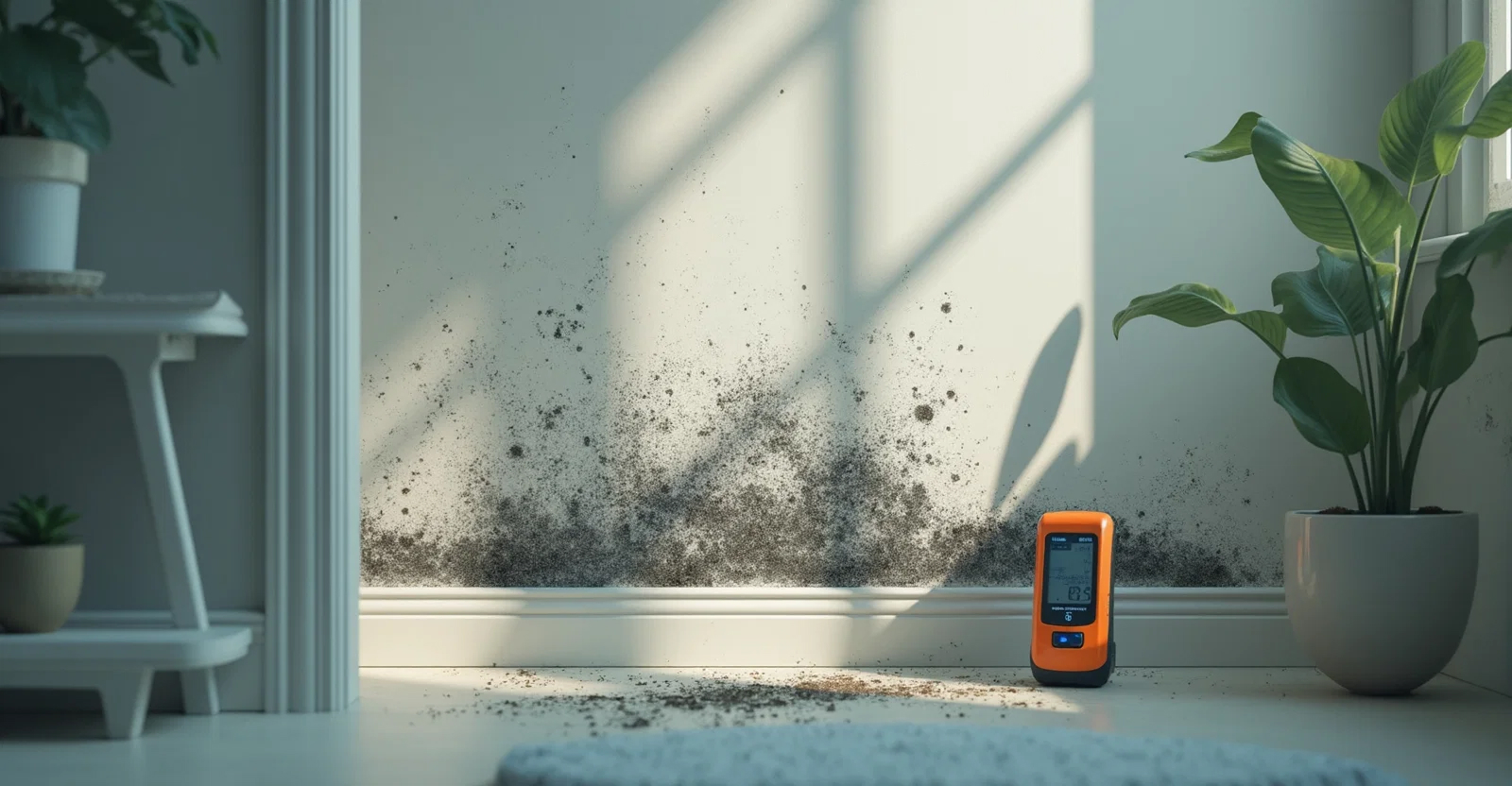
Indoor Air Quality Meter Accuracy and Calibration Dubai
Indoor Air Quality Meter Accuracy and Calibration determines whether your air quality readings reflect reality or measurement error. In Dubai’s climate, where temperature fluctuations and airborne particulates challenge sensor performance, calibration becomes particularly critical for reliable data. Without proper calibration, even premium meters can provide misleading readings that compromise your understanding of indoor environmental conditions.
As an IAC2 Certified Indoor Air Consultant with Saniservice’s laboratory, I’ve validated hundreds of consumer and professional meters across UAE properties. The gap between advertised specifications and actual field performance often surprises homeowners who assume their devices provide laboratory-grade accuracy. This guide explains how calibration works, why it matters for Dubai conditions, and how to maintain measurement reliability over time.
Understanding Indoor Air Quality Meter Accuracy and Calibration Fundamentals
Indoor Air Quality Meter Accuracy and Calibration refers to the process of adjusting and verifying sensor performance against known reference standards. Accuracy represents how close measurements come to true values, while calibration ensures this accuracy through systematic adjustment. Professional-grade meters used in our Dubai laboratory undergo regular calibration using certified reference gases and particulate standards.
Three calibration types matter for home users: factory calibration, field calibration, and professional verification. Factory calibration occurs during manufacturing using controlled environments. Field calibration allows user adjustment using calibration kits or known reference sources. Professional verification involves comparing your meter’s readings against laboratory instruments to confirm performance. For Dubai residents, professional verification provides the most reliable confirmation that your meter performs accurately in local environmental conditions.
Sensor Types and Calibration Requirements
Different sensors require different calibration approaches. Electrochemical sensors for VOC detection need periodic zero calibration and span calibration using reference gases. Optical particle counters require calibration against standardised particulate samples. NDIR CO2 sensors typically require fresh air calibration or reference gas verification. Understanding your specific sensor types helps determine appropriate calibration methods and frequency.
Why Indoor Air Quality Meter Accuracy and Calibration Matters in Dubai
Dubai’s unique environmental conditions create specific challenges for Indoor Air Quality Meter Accuracy and Calibration. High summer temperatures affect sensor electronics and response curves. Rapid humidity changes influence particulate measurements and chemical sensor performance. Desert dust contains particle size distributions that differ from calibration standards developed for temperate climates.
During Saniservice field investigations, we frequently find consumer meters reporting PM2.5 readings that deviate 30-50% from verified laboratory instruments. This accuracy gap becomes significant when making decisions about air purification or ventilation adjustments. Proper calibration ensures your meter accounts for local environmental factors rather than providing generic readings based on factory settings optimized for different climates.
Calibration Methods for Different Air Quality Parameters
Indoor Air Quality Meter Accuracy and Calibration varies by measured parameter. Particulate matter sensors typically require zero point calibration using HEPA-filtered air and span calibration using standardised test dust. VOC sensors need periodic zeroing in activated carbon-filtered air and calibration with certified reference gases at known concentrations.
CO2 sensors often employ automatic background calibration (ABC) which assumes periodic exposure to outdoor air around 400 ppm. In Dubai, where windows remain closed during extreme heat, ABC calibration can drift significantly. Manual calibration using certified CO2 gas cylinders provides more reliable results for UAE living conditions. Temperature and humidity sensors require calibration against certified reference hygrometers and thermometers.
Common Indoor Air Quality Meter Accuracy and Calibration Mistakes
Homeowners frequently make several critical mistakes regarding Indoor Air Quality Meter Accuracy and Calibration. Attempting calibration without proper reference standards leads to compounded errors. Using expired calibration gases or contaminated zero air sources invalidates the process. Neglecting to calibrate after sensor replacement or firmware updates causes significant measurement drift.
Another common error involves calibrating meters in unsuitable environments. Calibration requires stable temperature, humidity, and air quality conditions. Performing calibration in a room with fluctuating conditions or background pollutant sources compromises results. Dubai residents should avoid calibrating near kitchens, bathrooms, or HVAC vents where pollutant levels change rapidly.
Professional Verification of Indoor Air Quality Meter Accuracy and Calibration
Professional verification provides the most reliable method for confirming Indoor Air Quality Meter Accuracy and Calibration. At Saniservice’s Dubai laboratory, we compare consumer meters against our reference-grade instruments under controlled conditions. This side-by-side testing reveals measurement biases, response delays, and detection threshold issues that affect real-world performance.
Verification testing typically involves exposing both devices to known pollutant concentrations while monitoring environmental conditions. We document measurement differences and provide calibration adjustment recommendations. For critical applications like health monitoring or compliance reporting, professional verification should occur quarterly to account for sensor aging and environmental changes.
Maintaining Indoor Air Quality Meter Accuracy and Calibration Over Time
Maintaining Indoor Air Quality Meter Accuracy and Calibration requires consistent practices beyond periodic adjustments. Regular sensor cleaning prevents dust accumulation that affects optical measurements. Proper storage in stable environments minimizes calibration drift between uses. Battery maintenance ensures stable power supply during measurements.
Documenting calibration dates, methods, and results creates an accuracy history that helps identify developing issues. Recording environmental conditions during calibration provides context for future reference. For meters with logging capabilities, maintaining calibration records alongside measurement data significantly enhances data reliability for long-term air quality assessment.
Expert Tips for Indoor Air Quality Meter Accuracy and Calibration
Based on hundreds of meter validations in UAE properties, follow these professional recommendations for maintaining Indoor Air Quality Meter Accuracy and Calibration. First, establish a calibration schedule based on sensor type and usage frequency – quarterly for frequent use, biannually for occasional monitoring. Second, use only certified reference materials from reputable suppliers – expired gases or uncertified standards introduce new errors.
Third, perform calibration in environmentally stable rooms away from pollution sources and temperature fluctuations. Fourth, document every calibration with timestamps, reference values, and environmental conditions. Fifth, consider professional verification annually to confirm your calibration methods maintain true accuracy. Finally, recognise meter limitations – consumer devices provide trend information rather than absolute measurements for critical decisions.
Frequently Asked Questions
How often should I calibrate my indoor air quality meter in Dubai?
Calibration frequency depends on usage and sensor type. For regular monitoring in Dubai’s challenging environment, quarterly calibration maintains optimal accuracy. Professional verification annually confirms your calibration remains effective against laboratory standards.
Can I calibrate my air quality meter myself or need professional service?
Basic zero calibration and ABC functions suit homeowner use. For span calibration requiring reference gases or particles, professional service ensures proper methodology and certified materials. Dubai’s specific conditions often warrant professional verification even after self-calibration.
What causes calibration drift in air quality meters?
Sensor aging, temperature fluctuations, dust accumulation, and electronic component changes all contribute to calibration drift. Dubai’s extreme summer heat accelerates these processes compared to temperate climates.
How does Dubai’s climate affect air quality meter accuracy?
High temperatures affect sensor electronics and response curves. Desert dust contains unique particle size distributions. Constant air conditioning creates dry conditions that influence some sensor types. These factors necessitate climate-specific calibration approaches.
What is the cost of professional calibration services in Dubai?
Professional calibration scope varies by meter type and number of sensors. Contact Saniservice’s laboratory for assessment based on your specific device and accuracy requirements.
Conclusion
Indoor Air Quality Meter Accuracy and Calibration transforms random measurements into reliable data. In Dubai’s unique environment, proper calibration accounts for local conditions that differ from factory settings optimized for other climates. Whether using consumer devices or professional instruments, regular calibration and verification ensure your air quality assessments reflect true conditions rather than measurement error.
Remember that even well-calibrated meters have limitations. They provide valuable trend information and pollution alerts rather than laboratory-grade measurements. For health-critical decisions or compliance requirements, professional assessment using reference-grade instruments remains the gold standard. Your calibrated meter serves as an excellent screening tool that guides when deeper investigation becomes necessary. Understanding Indoor Air Quality Meter Accuracy and Calibration is key to success in this area.

JV de Castro, IAC2
JV de Castro is the Chief Technology Officer at Saniservice, where he leads innovation in indoor environmental sciences, IT infrastructure, and digital transformation. With over 20 years of experience spanning architecture, building science, technology management, digital media architecture, and consultancy, he has helped organizations optimize operations through smart solutions and forward-thinking strategies. JV holds a Degree in Architecture, a Masters of Research in Anthropology, an MBA in Digital Communication & Media, along with certifications in mold, building sciences and advanced networking. Passionate about combining technology, health, and sustainability, he continues to drive initiatives that bridge science, IT, and business impact.