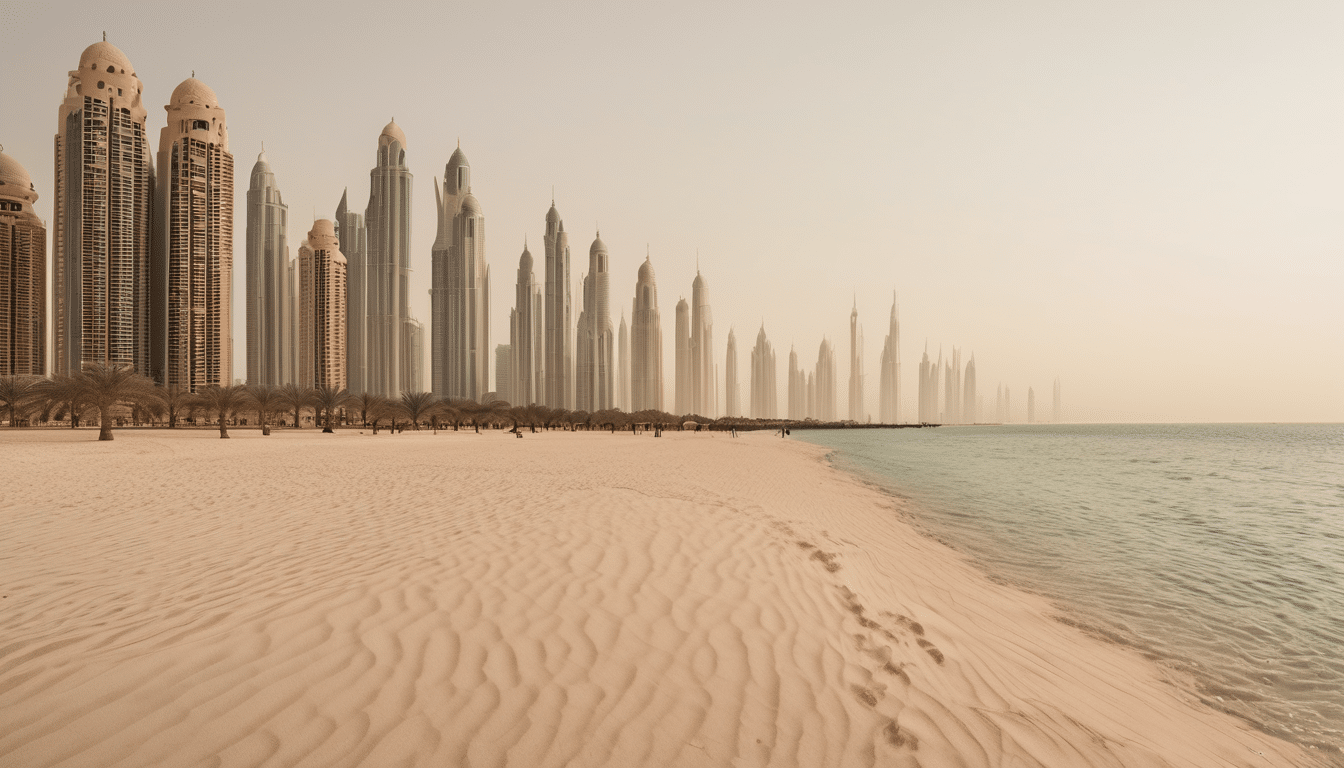
Dubai’s High Humidity Climate Best Guide
Understanding Dubai’s High Humidity Climate: Best Insulation Materials is essential. Dubai’s high humidity climate presents unique challenges for building insulation that many conventional materials cannot address effectively. The combination of extreme outdoor temperatures reaching 45°C and indoor relative humidity levels often exceeding 60% creates conditions where improper insulation can lead to moisture accumulation, mould growth, and compromised thermal performance. The best insulation materials for Dubai‘s high humidity climate must simultaneously resist heat transfer, manage moisture vapour diffusion, and prevent condensation within building assemblies.
As an IAC2 Certified Indoor Air Consultant with extensive experience in UAE building diagnostics, I’ve witnessed how insulation failures manifest in Dubai’s environment. Unlike temperate climates where insulation primarily addresses thermal bridging, Dubai’s conditions require materials that can handle both extreme temperature differentials and significant vapour pressure differences. The wrong choice can create hidden moisture problems that only become apparent through thermal imaging or laboratory analysis of wall cavity samples. This relates directly to Dubai’s High Humidity Climate: Best Insulation Materials.
This comprehensive guide examines insulation performance through the lens of Dubai’s specific environmental conditions, focusing on materials that have demonstrated effectiveness in local applications. From high-rise towers in Dubai Marina to villas in Arabian Ranches, the principles of moisture management remain consistent even as application methods vary.
Dubai’s High Humidity Climate: Best Insulation Materials – Understanding Dubai’s Unique Humidity Challenges
Dubai’s humidity profile differs significantly from other high-humidity regions. While coastal areas experience relative humidity levels reaching 90% during summer mornings, interior areas might drop to 15% during afternoon hours. This daily cycling creates repeated condensation and evaporation cycles that test insulation materials beyond their designed parameters. The best insulation materials for Dubai’s high humidity climate must accommodate these rapid changes without degrading or accumulating moisture.
The UAE’s construction methods also contribute to humidity challenges. Many buildings feature concrete structures with minimal vapour barriers, allowing interior moisture from air conditioning systems to migrate outward while outdoor humidity penetrates inward. This moisture movement creates interstitial condensation within walls and ceilings, particularly where temperature differentials are greatest. Without proper insulation selection, these hidden moisture reservoirs become breeding grounds for mould and structural deterioration. When considering Dubai’s High Humidity Climate: Best Insulation Materials, this becomes clear.
Temperature and Humidity Cycling Effects
Daily temperature swings of 15-20°C combined with humidity variations create expansion and contraction stresses on insulation materials. Materials that absorb moisture during high-humidity periods then expand, potentially compromising their integrity when temperatures rise and humidity drops. This cycling effect particularly challenges fibrous insulation materials that rely on air pockets for thermal resistance.
Dubai’s High Humidity Climate: Best Insulation Materials – Critical Properties of Humidity-Resistant Insulation
The best insulation materials for Dubai’s high humidity climate share several key characteristics that make them suitable for local conditions. Moisture resistance stands as the primary consideration, as materials that absorb water lose thermal performance and can promote biological growth. Closed-cell structures typically outperform open-cell materials in humidity management, though proper installation remains crucial regardless of material type. The importance of Dubai’s High Humidity Climate: Best Insulation Materials is evident here.
Thermal resistance values (R-values) must be evaluated in realistic conditions rather than laboratory settings. Many insulation materials experience significant performance degradation when exposed to humidity levels common in Dubai buildings. Materials certified for maintained R-values under high humidity conditions provide more reliable performance over time.
Vapour Permeability Considerations
Vapour permeability determines how easily moisture passes through insulation materials. In Dubai’s climate, the ideal permeability depends on installation location. Exterior insulation typically benefits from higher permeability to allow moisture escape, while interior applications often require lower permeability to prevent condensation within wall assemblies. Understanding Dubai’s High Humidity Climate: Best Insulation Materials helps with this aspect.
Dubai’s High Humidity Climate: Best Insulation Materials – Spray Foam Insulation for Dubai Conditions
Closed-cell spray foam insulation represents one of the most effective solutions for Dubai’s high humidity climate when properly installed. With R-values exceeding 6.5 per inch and virtually zero vapour permeability, closed-cell foam creates both thermal and moisture barriers in a single application. This material particularly suits UAE construction where space constraints often limit insulation thickness.
Professional application proves critical for spray foam performance. Improper mixing or application can create off-gassing issues or incomplete curing, compromising both indoor air quality and thermal performance. Dubai’s high temperatures accelerate curing processes, requiring experienced installers who understand local conditions. Dubai’s High Humidity Climate: Best Insulation Materials factors into this consideration.
Open-Cell Spray Foam Limitations
While open-cell spray foam offers higher sound absorption and lower material costs, its permeability makes it less suitable for Dubai’s high humidity applications unless paired with separate vapour barriers. In field investigations, we’ve identified mould growth on the interior surface of open-cell foam where humidity management was inadequate.
Rigid Foam Board Insulation Options
Rigid foam boards provide excellent moisture resistance and consistent R-values for Dubai’s high humidity climate. Extruded polystyrene (XPS) and polyisocyanurate (polyiso) boards offer the highest performance, with XPS particularly resistant to moisture absorption. These materials work well for exterior insulation systems and below-grade applications where groundwater contact might occur. This relates directly to Dubai’s High Humidity Climate: Best Insulation Materials.
Installation techniques significantly affect rigid board performance. Gaps between boards create thermal bridges and potential condensation points, while improper fastening can compromise air barrier continuity. In Dubai’s temperature extremes, thermal expansion requires accommodation through proper joint design and spacing.
Expanded Polystyrene Considerations
Expanded polystyrene (EPS) offers lower cost but higher moisture absorption than XPS or polyiso. While suitable for some applications, EPS requires careful vapour barrier installation in Dubai’s high humidity conditions to prevent performance degradation. When considering Dubai’s High Humidity Climate: Best Insulation Materials, this becomes clear.
Mineral Wool and Fibreglass Performance
Fibrous insulation materials like mineral wool and fibreglass present particular challenges in Dubai’s high humidity climate. While offering excellent fire resistance and sound absorption, these materials can absorb significant moisture, reducing thermal performance and potentially supporting mould growth. Their effectiveness depends entirely on comprehensive vapour barrier systems.
In laboratory analysis of insulation samples from Dubai properties, we’ve identified fungal growth within fibreglass batts where humidity exceeded design parameters. Mineral wool generally performs better due to its inorganic composition, but still requires protective measures against moisture intrusion. The importance of Dubai’s High Humidity Climate: Best Insulation Materials is evident here.
Drainage and Drying Capacity
Proper installation must include drainage planes and drying potential for fibrous insulation systems. Materials that get wet must be able to dry effectively, requiring ventilation pathways that accommodate Dubai’s humidity cycles.
Reflective and Radiant Barrier Systems
Reflective insulation systems work particularly well in Dubai’s climate by addressing radiant heat transfer rather than conductive heat flow. These systems typically incorporate aluminium foil surfaces that reflect heat away from living spaces, performing effectively regardless of humidity conditions. Understanding Dubai’s High Humidity Climate: Best Insulation Materials helps with this aspect.
Radiant barriers prove most effective in roof applications where they reduce heat gain from solar radiation. When installed with proper air gaps, these systems maintain performance even in high humidity and don’t suffer from moisture-related degradation. Their lightweight nature makes them suitable for retrofit applications in existing Dubai properties.
Combination Approaches
Many high-performance installations combine reflective systems with other insulation types to address multiple heat transfer mechanisms. This layered approach often provides the best overall performance for Dubai’s demanding conditions. Dubai’s High Humidity Climate: Best Insulation Materials factors into this consideration.
Natural and Sustainable Insulation Options
Natural insulation materials like cork, cellulose, and wood fibre have gained attention for their sustainability credentials, but require careful evaluation for Dubai’s high humidity climate. These hygroscopic materials absorb and release moisture, which can benefit buildings in some climates but presents challenges in Dubai’s extreme conditions.
Proper treatment with moisture-resistant compounds improves performance, but natural materials generally require more robust vapour management systems than synthetic alternatives. Their performance in UAE applications depends heavily on installation quality and environmental control. This relates directly to Dubai’s High Humidity Climate: Best Insulation Materials.
Moisture Management Requirements
Natural insulation materials typically require vapour barriers on both warm and cold sides in Dubai’s climate to prevent moisture accumulation. This double barrier approach adds complexity but can make natural materials viable for specific applications.
Insulation for Specific Dubai Building Types
Different building types in Dubai present unique insulation challenges that affect material selection. High-rise towers with concrete frame construction require different approaches than villa construction with block walls and plaster finishes. The best insulation materials for Dubai’s high humidity climate must accommodate these structural differences. When considering Dubai’s High Humidity Climate: Best Insulation Materials, this becomes clear.
Concrete high-rises experience significant thermal mass effects that alter insulation requirements. The massive structure stores heat, delaying peak cooling loads but requiring insulation that manages both interior and exterior temperature differentials. Villa construction typically experiences more rapid temperature changes, benefiting from insulation with higher thermal resistance.
Retrofit Versus New Construction
Existing buildings present different challenges than new construction. Retrofit insulation must accommodate existing moisture conditions and structural limitations, often requiring materials that can be installed without major demolition. The importance of Dubai’s High Humidity Climate: Best Insulation Materials is evident here.
Professional Assessment and Installation Requirements
Selecting the best insulation materials for Dubai’s high humidity climate requires professional assessment of your specific property conditions. Thermal imaging, moisture mapping, and building pressure analysis help determine the optimal approach before installation begins. This diagnostic phase proves crucial for avoiding problems that might not become apparent until after installation.
Installation quality often matters more than material selection in achieving optimal performance. Even the best insulation materials fail if installed with gaps, compression, or inadequate vapour barriers. Dubai’s climate demands precision installation that accounts for thermal expansion, humidity cycling, and building movement. Understanding Dubai’s High Humidity Climate: Best Insulation Materials helps with this aspect.
Performance Verification Testing
Post-installation verification through thermal imaging and blower door testing ensures insulation performs as designed. These tests identify installation defects, thermal bridges, and air leakage points that compromise system effectiveness.
Energy Efficiency and Cost Considerations
The best insulation materials for Dubai’s high humidity climate must balance performance with economic feasibility. While some high-performance materials command premium prices, their energy savings and durability often justify the investment through reduced cooling costs and extended equipment life. Dubai’s High Humidity Climate: Best Insulation Materials factors into this consideration.
Lifecycle costing provides a more accurate comparison than initial material costs alone. Materials that maintain performance over decades despite humidity exposure often prove more economical than cheaper alternatives requiring replacement or supplemental systems. Professional assessment helps determine the optimal balance for your specific situation.
Cooling Load Reduction Impact
Proper insulation can reduce cooling loads by 30-50% in Dubai conditions, significantly lowering energy consumption and equipment sizing requirements. This load reduction proves particularly valuable during peak summer months when electricity demand reaches its highest levels. This relates directly to Dubai’s High Humidity Climate: Best Insulation Materials.
Expert Tips for Dubai Insulation Success
Based on extensive field experience with Dubai properties, these professional recommendations help ensure insulation performance in high humidity conditions:
Always conduct pre-installation moisture mapping to identify existing problems that must be addressed before adding insulation. Insulating over existing moisture guarantees future deterioration and mould growth.
Select materials with documented performance data under high humidity conditions, not just laboratory dry ratings. Manufacturer testing should include 80% relative humidity exposure for relevant time periods.
Ensure comprehensive air sealing before insulating. Air leakage carries far more moisture than vapour diffusion and can defeat even the best insulation systems.
Consider the entire building assembly rather than just insulation materials. Proper vapour barrier placement, drainage planes, and ventilation requirements all contribute to system performance.
Plan for professional maintenance access to insulation systems. Even the best materials require periodic inspection in Dubai’s demanding climate.
Frequently Asked Questions
What is the most important factor when choosing insulation for Dubai homes?
Moisture resistance proves most critical for Dubai insulation selection. Materials must maintain thermal performance while preventing moisture accumulation that leads to mould growth and structural damage. Professional assessment determines the optimal balance for each property.
Can I use the same insulation materials throughout my Dubai property?
Different building areas require different insulation approaches. Roof spaces, exterior walls, and below-grade areas each present unique moisture challenges that affect material selection. A comprehensive approach addresses these variations systematically.
How often should insulation be inspected in Dubai’s climate?
Professional insulation inspection every 2-3 years helps identify moisture problems before they become severe. Thermal imaging between ceiling joists and within wall cavities reveals hidden issues that visual inspection cannot detect.
Does insulation affect indoor air quality in Dubai properties?
Properly installed insulation improves indoor air quality by preventing moisture accumulation that supports mould growth. However, improperly selected or installed materials can degrade air quality through off-gassing or moisture retention.
What insulation problems are most common in Dubai villas?
Incomplete vapour barriers and thermal bridging at structural connections represent the most frequent insulation issues in Dubai villas. These problems create localized condensation points that compromise overall system performance.
Conclusion
Selecting the best insulation materials for Dubai’s high humidity climate requires understanding how materials perform under specific local conditions rather than relying on generic ratings. The combination of extreme temperatures, significant humidity variations, and unique construction methods demands materials that address multiple performance criteria simultaneously.
Professional assessment remains essential for determining the optimal insulation approach for your Dubai property. Through diagnostic testing and careful planning, insulation systems can provide decades of reliable performance while significantly reducing energy consumption and maintaining indoor environmental quality. The right materials, properly installed, create comfortable, efficient spaces despite Dubai’s challenging climate conditions. Understanding Dubai’s High Humidity Climate: Best Insulation Materials is key to success in this area.

JV de Castro, IAC2
JV de Castro is the Chief Technology Officer at Saniservice, where he leads innovation in indoor environmental sciences, IT infrastructure, and digital transformation. With over 20 years of experience spanning architecture, building science, technology management, digital media architecture, and consultancy, he has helped organizations optimize operations through smart solutions and forward-thinking strategies. JV holds a Degree in Architecture, a Masters of Research in Anthropology, an MBA in Digital Communication & Media, along with certifications in mold, building sciences and advanced networking. Passionate about combining technology, health, and sustainability, he continues to drive initiatives that bridge science, IT, and business impact.