Moisture-Resistant Insulation for High Humidity Areas Dubai
Moisture-Resistant Insulation for high humidity areas represents a critical building science consideration in Dubai’s unique climate, where outdoor humidity can exceed 80% during summer months while indoor environments maintain 50-60% relative humidity through constant air conditioning. This creates significant vapour pressure differentials that challenge conventional insulation materials. The optimal approach combines vapour barriers, thermal breaks, and moisture-managing insulation materials specifically engineered for desert coastal conditions.
In Dubai’s construction environment, moisture-resistant insulation for high humidity areas must address three simultaneous challenges: extreme outdoor temperatures reaching 45°C, high ambient humidity particularly during summer months, and continuous indoor cooling that creates condensation risks at building envelope interfaces. Traditional insulation materials that perform well in temperate climates often fail under these conditions, leading to mould growth, reduced thermal performance, and structural degradation over time.
Moisture-Resistant Insulation for High Humidity Areas – Understanding Dubai’s Unique Humidity Challenges
Dubai’s humidity profile differs significantly from tropical or temperate high-humidity regions. Summer months bring both extreme heat and high humidity levels, particularly during early morning hours when relative humidity can reach 85-90%. Meanwhile, air-conditioned interiors maintain 50-60% relative humidity, creating substantial vapour pressure differentials across building envelopes.
This environment demands moisture-resistant insulation for high humidity areas that can manage both liquid water and vapour transmission. Conventional fibreglass batts, while effective thermally, can trap moisture against cold surfaces like concrete slabs or metal studs. Similarly, cellulose insulation, though environmentally favourable, can absorb significant moisture in high-humidity conditions, reducing its insulating properties and potentially supporting microbial growth.
Condensation Risks in UAE Buildings
The combination of Dubai’s external climate and internal cooling creates perfect conditions for interstitial condensation within wall cavities and roof assemblies. When warm, humid air meets cold surfaces—such as air-conditioned interior walls or chilled water pipes—moisture condenses within the building structure. Without proper moisture-resistant insulation for high humidity areas, this condensation can lead to mould growth, material degradation, and reduced indoor air quality.
Moisture-Resistant Insulation for High Humidity Areas – Best Insulation Materials for Dubai Conditions
Several insulation materials demonstrate superior performance as moisture-resistant insulation for high humidity areas in Dubai’s climate. Closed-cell spray polyurethane foam (ccSPF) provides both high R-value and inherent vapour resistance, making it ideal for roof applications and exterior wall insulation. Its monolithic nature prevents air movement that can carry moisture into building assemblies.
Extruded polystyrene (XPS) foam boards offer high compressive strength and excellent moisture resistance, suitable for below-grade applications and inverted roof systems common in UAE construction. Polyisocyanurate insulation with foil facers provides both thermal performance and vapour resistance, particularly effective in commercial building applications where continuous insulation is specified.
Moisture-Resistant Insulation for High Humidity Areas – Spray Foam Applications in UAE Construction
Spray foam insulation has gained significant traction as moisture-resistant insulation for high humidity areas in Dubai due to its ability to conform to irregular surfaces and create both thermal and air barriers simultaneously. In villa construction, spray foam applied to roof undersides prevents humid air from contacting cold deck surfaces, reducing condensation risks.
For high-rise buildings, spray foam provides effective insulation around penetrations and complex architectural features where board insulation would leave gaps. The material’s expansion properties allow it to fill voids completely, eliminating air pathways that could transport moisture into building assemblies. Proper installation by certified applicators remains essential for achieving optimal performance.
Building Code Requirements and Standards
Dubai Municipality’s building regulations specify minimum thermal performance standards through the Al Sa’fat green building rating system, which mandates specific R-values for different building components. However, these regulations primarily address thermal performance rather than moisture management specifically.
Professional specifications for moisture-resistant insulation for high humidity areas often exceed code minimums, incorporating additional vapour barriers, drainage planes, and ventilation strategies. The UAE’s construction industry increasingly recognises that meeting thermal performance requirements without addressing moisture management leads to long-term building performance issues.
Installation Considerations for UAE Climates
Proper installation proves as critical as material selection when implementing moisture-resistant insulation for high humidity areas. Installation must account for Dubai’s extreme temperature fluctuations, which cause building materials to expand and contract significantly. Gaps created by movement can compromise insulation continuity and create moisture pathways.
Vapour barrier placement requires particular attention in Dubai’s climate. Unlike cold climates where vapour barriers typically belong on the warm interior side, Dubai’s air-conditioned buildings may benefit from exterior vapour barriers or vapour-permeable systems that allow moisture to escape in both directions. Professional assessment determines the optimal strategy for each building orientation and use pattern.
Maintenance and Performance Monitoring
Even the best moisture-resistant insulation for high humidity areas requires periodic evaluation in Dubai’s demanding environment. Thermal imaging assessments can identify areas of moisture accumulation within building assemblies before visible damage occurs. Regular inspections should focus on potential weak points including roof penetrations, balcony connections, and window perimeters.
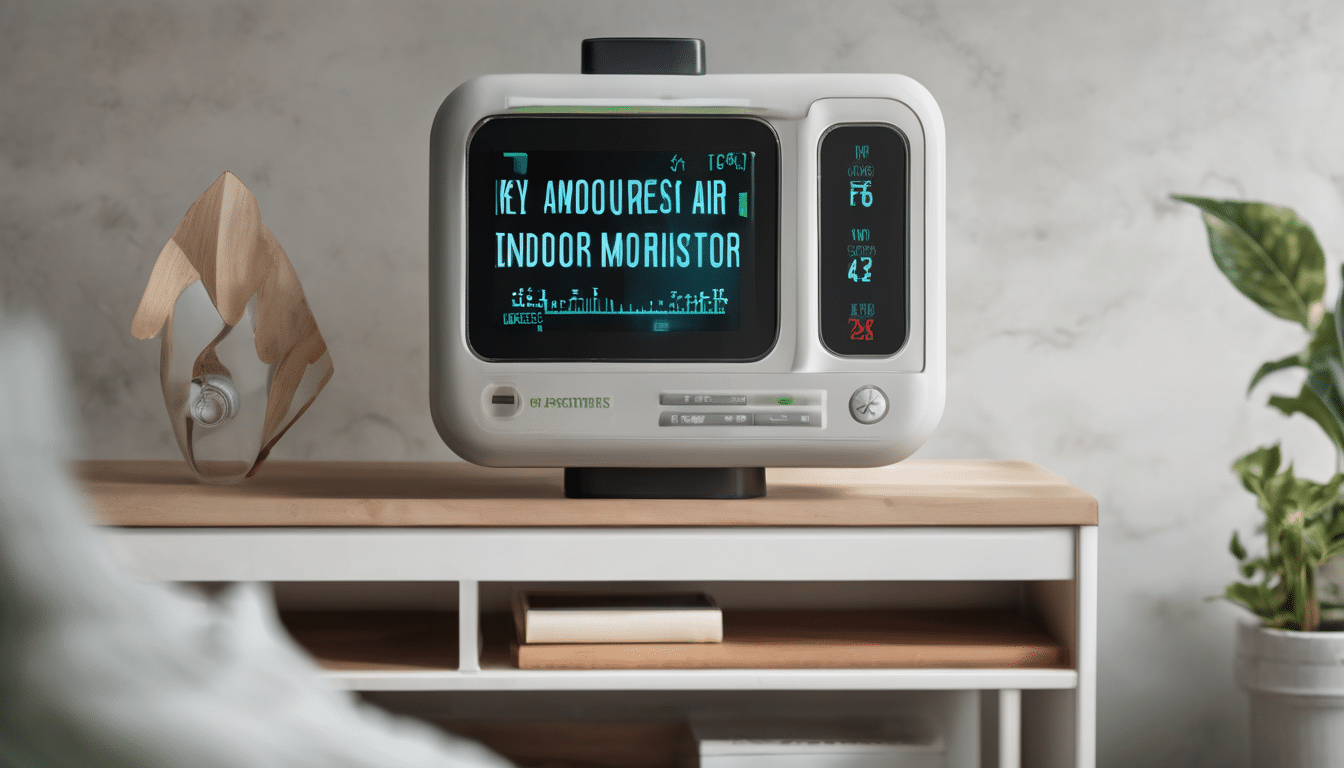
Building owners should monitor indoor humidity levels regularly, particularly during seasonal transitions when humidity patterns change. Sustained indoor humidity above 60% may indicate moisture issues within building assemblies, even without visible signs of problems. Professional assessment using moisture meters and thermal imaging provides definitive evaluation of insulation performance.
Cost Considerations and Long-Term Value
While premium moisture-resistant insulation for high humidity areas typically carries higher initial costs than conventional materials, the long-term value proposition in Dubai’s climate proves compelling. Reduced energy consumption through maintained thermal performance, avoided repair costs from moisture damage, and improved indoor environmental quality all contribute to return on investment.
The specific cost structure for moisture-resistant insulation for high humidity areas varies significantly based on project scope, accessibility, and material specifications. Professional assessment determines the optimal solution based on building orientation, usage patterns, and existing construction details rather than applying generic solutions across different property types.
Expert Tips for Dubai Homeowners
Select insulation materials with documented performance in high-temperature, high-humidity environments rather than relying on manufacturer claims alone. Request independent test data showing performance under conditions similar to Dubai’s climate.
Ensure continuous insulation without thermal bridges at structural elements. Even small gaps can create condensation points that compromise the entire assembly’s performance. Consider hybrid systems that combine different insulation types to address specific challenges at different building locations.
Verify installer credentials and experience with similar projects in the UAE. Proper installation proves more critical than material selection for moisture management performance. Schedule thermal imaging assessment after installation to verify complete coverage and identify any gaps or compression issues.
Monitor indoor humidity levels seasonally and address sustained elevations above 60% immediately. High indoor humidity may indicate moisture issues within building assemblies even without visible signs. Consider whole-building humidity management strategies rather than relying solely on insulation materials for moisture control.
Frequently Asked Questions
What makes Dubai’s humidity different from other high-humidity regions?
Dubai combines extreme summer heat with high coastal humidity, creating unique vapour pressure differentials between air-conditioned interiors and outdoor environments. This combination challenges insulation materials more severely than consistently humid tropical climates or seasonal humidity variations in temperate regions.
How often should moisture-resistant insulation be inspected in Dubai homes?
Professional assessment using thermal imaging and moisture meters should occur every 2-3 years for typical residential properties, or immediately if musty odours, visible mould, or sustained high indoor humidity levels develop. Regular visual inspections by homeowners should occur seasonally, particularly after the summer humidity period.
Can existing insulation be upgraded for better moisture resistance?
Many existing insulation systems can be enhanced with additional vapour barriers, air sealing, or supplemental insulation materials. The feasibility depends on construction type, accessibility, and existing moisture conditions. Professional assessment determines the most effective upgrade path for individual properties.
Does Dubai’s building code require specific moisture-resistant insulation?
While Dubai Municipality regulations specify thermal performance requirements through the Al Sa’fat system, moisture management provisions remain primarily performance-based rather than prescriptive. Professional specifications typically exceed code minimums to address Dubai’s specific humidity challenges effectively.
What are the signs that insulation may have moisture problems?
Musty odours, visible mould growth, peeling paint or wallpaper, staining on interior surfaces, and sustained high indoor humidity levels all suggest potential moisture issues within building assemblies. Thermal imaging assessment provides definitive identification of moisture accumulation before visible signs appear.
Selecting and maintaining moisture-resistant insulation for high humidity areas requires understanding both material properties and Dubai’s unique climate challenges. Professional assessment remains essential for determining the optimal approach for individual properties, considering orientation, usage patterns, and existing construction details. The investment in appropriate moisture management delivers returns through improved energy efficiency, extended building longevity, and enhanced indoor environmental quality.

JV de Castro, IAC2
JV de Castro is the Chief Technology Officer at Saniservice, where he leads innovation in indoor environmental sciences, IT infrastructure, and digital transformation. With over 20 years of experience spanning architecture, building science, technology management, digital media architecture, and consultancy, he has helped organizations optimize operations through smart solutions and forward-thinking strategies. JV holds a Degree in Architecture, a Masters of Research in Anthropology, an MBA in Digital Communication & Media, along with certifications in mold, building sciences and advanced networking. Passionate about combining technology, health, and sustainability, he continues to drive initiatives that bridge science, IT, and business impact.