Common Indoor Air Pollutants in Dubai Homes Explained
Common Indoor Air pollutants in Dubai homes reflect the region’s distinctive climate, construction practices, and lifestyle patterns. The combination of extreme outdoor temperatures, year-round air conditioning dependency, and rapid urban development creates a unique indoor environmental profile that differs significantly from temperate climates. Understanding these common indoor air pollutants in Dubai homes provides the foundation for effective assessment and remediation strategies.
As an IAC2 Certified Indoor Air Consultant with Saniservice’s Indoor Sciences division, I’ve documented these contamination patterns through thousands of field investigations and laboratory analyses. The most common indoor air pollutants in Dubai homes typically include biological contaminants like mould and bacteria, chemical off-gassing from building materials, particulate matter from desert environments, and combustion byproducts from household activities.
Common Indoor Air Pollutants in Dubai Homes – Biological Contaminants in Dubai Homes
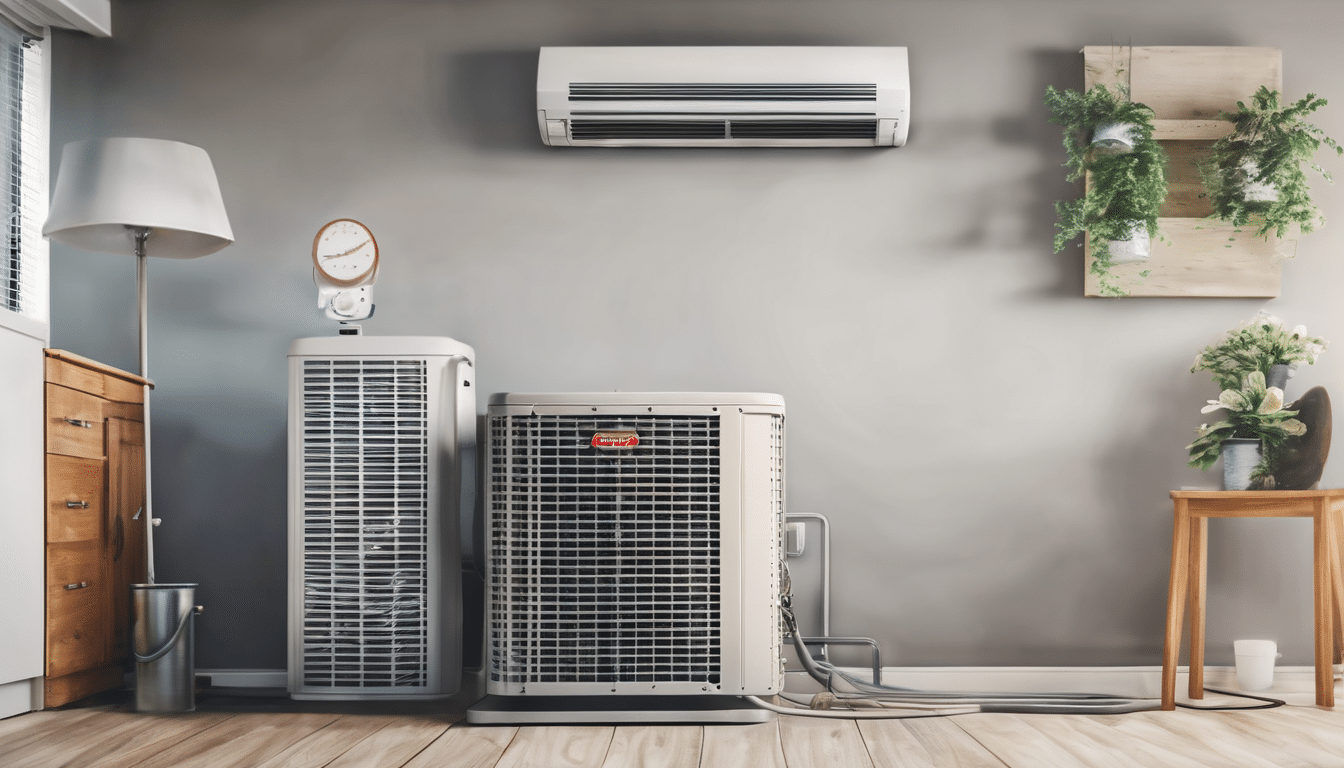
Biological contaminants represent the most prevalent category among common indoor air pollutants in Dubai homes. The constant air conditioning operation creates ideal conditions for microbial growth in several key areas. Evaporator coils maintain the high humidity levels that mould spores need for germination, while condensation drain pans provide standing water for bacterial colonization.
Our in-house microbiology lab in Al Quoz has identified distinctive microbial profiles in Dubai properties. Unlike temperate climates where mesophilic moulds dominate, Dubai’s common indoor air pollutants include thermophilic and xerophilic species adapted to air-conditioned desert environments. Aspergillus species, particularly Aspergillus niger and Aspergillus flavus, frequently appear in air samples from villas and apartments. These species thrive on dust accumulation in AC systems and can produce mycotoxins under the right conditions.
Dust Mites and Allergens
Dust mites represent another significant biological contaminant among common indoor air pollutants in Dubai homes. Contrary to popular belief, these microscopic arthropods thrive in Dubai’s indoor environments despite the desert climate outside. Air-conditioned spaces maintain the 45-55% relative humidity that dust mites require, while carpeting and upholstery provide the dead skin cells they consume.
During indoor air quality assessments, we measure dust mite allergen levels (Der p 1 and Der f 1) to determine exposure risks. Many Dubai residents experience year-round allergic symptoms because of continuous exposure rather than seasonal variations seen in other climates. This persistent exposure pattern makes dust mites one of the most impactful common indoor air pollutants in Dubai homes for sensitive individuals.
Common Indoor Air Pollutants in Dubai Homes – Chemical Pollutants and VOC Exposure
Volatile organic compounds constitute the second major category of common indoor air pollutants in Dubai homes. The rapid construction pace and frequent interior renovations in the UAE mean that many residences contain relatively new building materials, furnishings, and finishes that continue off-gassing chemical compounds. Formaldehyde, benzene, toluene, and xylene regularly appear in air quality testing results.
These common indoor air pollutants in Dubai homes originate from multiple sources. Particleboard furniture, MDF cabinetry, vinyl flooring, fresh paint, and synthetic textiles all emit VOCs that accumulate in airtight, air-conditioned spaces. The limited natural ventilation in many Dubai properties allows these compounds to reach concentrations that exceed WHO guideline values for Indoor Air Quality.
Formaldehyde Concerns
Formaldehyde deserves special attention among common indoor air pollutants in Dubai homes due to its prevalence and health effects. This carcinogenic compound appears in many building products used in UAE construction, including adhesives, insulation materials, and composite wood products. Our VOC testing frequently detects elevated formaldehyde levels in properties less than three years old.
The combination of high temperatures and limited ventilation accelerates formaldehyde off-gassing from materials. During summer months when windows remain closed for air conditioning, concentrations of this common indoor air pollutant in Dubai homes can increase significantly. Professional assessment includes temperature-controlled sampling to accurately measure occupant exposure levels.
Common Indoor Air Pollutants in Dubai Homes: Particulate Matter and Desert Dust
Particulate matter represents a distinctive component of common indoor air pollutants in Dubai homes due to the region’s natural environment. Fine desert sand particles measuring 2.5-10 micrometres (PM2.5-PM10) infiltrate buildings through ventilation systems, doorways, and windows. These particles carry biological material, including fungal spores and bacteria, from outdoor environments into indoor spaces.
During seasonal dust storms (shamal winds), outdoor PM2.5 levels can exceed 500 μg/m³, dramatically affecting indoor air quality. Even standard HVAC filtration systems struggle to manage these extreme particulate loads. This makes particulate matter one of the most challenging common indoor air pollutants in Dubai homes to control through conventional means.
Indoor-Generated Particulates
Beyond outdoor infiltration, several indoor activities contribute to particulate matter among common indoor air pollutants in Dubai homes. Cooking, especially frying and grilling, generates ultrafine particles that remain suspended for hours. Candles, incense, and smoking produce combustion particles that contain polycyclic aromatic hydrocarbons and other hazardous compounds.
Our particulate monitoring during indoor air quality assessments often reveals elevated levels in kitchens, living areas, and prayer rooms where burning activities occur. These indoor-generated particles combine with desert dust to create complex mixtures that affect respiratory health. Understanding both outdoor and indoor sources is essential for addressing particulate matter among common indoor air pollutants in Dubai homes.
Combustion Byproducts and Gas Appliances
Combustion byproducts constitute another category of common indoor air pollutants in Dubai homes that often goes unrecognised. Many Dubai properties utilise gas stoves, water heaters, and furnaces that produce nitrogen dioxide, carbon monoxide, and other combustion gases. Improper ventilation or inadequate maintenance can lead to dangerous accumulations of these pollutants.
During indoor air quality assessments, we measure nitrogen dioxide levels in kitchens with gas appliances. This common indoor air pollutant in Dubai homes frequently exceeds WHO guidelines, particularly in properties where range hoods vent internally rather than externally. Carbon monoxide monitoring also forms an essential part of comprehensive assessment for properties with fuel-burning appliances.
Building-Related Factors in Dubai
Dubai’s unique building characteristics significantly influence the profile of common indoor air pollutants in Dubai homes. The rapid construction timeline means many buildings undergo minimal off-gassing periods before occupancy. Energy-efficient building envelopes designed to conserve cooling energy also trap pollutants inside, limiting natural dilution through air exchange.
Centralised air conditioning systems in Dubai high-rises can distribute pollutants throughout multiple units if not properly maintained. Water storage tanks, common in Dubai villas and older buildings, can harbour bacteria and introduce biological contaminants into the water supply and subsequently into indoor air through humidification. These building-specific factors create distinctive patterns among common indoor air pollutants in Dubai homes that require tailored assessment approaches.
Assessment and Identification Methods
Professional assessment of common indoor air pollutants in Dubai homes requires specialised methodology adapted to local conditions. Our Indoor Sciences division employs a multi-metric approach that includes air sampling for microbial contaminants, VOC testing using photoionisation detectors and laboratory analysis, particulate monitoring with laser particle counters, and real-time gas monitoring for combustion byproducts.
The assessment process for common indoor air pollutants in Dubai homes begins with a comprehensive visual inspection using thermal imaging to identify moisture intrusion and mould growth areas. Air sampling follows ISO 16000 standards for microbial assessment, while VOC sampling uses EPA-compendium methods adapted for Dubai’s high-temperature environment. This systematic approach ensures accurate identification of all significant common indoor air pollutants in Dubai homes.
Expert Tips for Dubai Homeowners
Managing common indoor air pollutants in Dubai homes requires both preventive measures and responsive actions. First, maintain HVAC systems with regular professional cleaning to control biological contaminants. Ensure proper drainage from evaporator coils and clean or replace filters monthly during high-dust periods.
Second, increase ventilation when outdoor conditions permit. Opening windows during cooler morning hours helps dilute accumulated VOCs and particulate matter. Use kitchen exhaust fans that vent outdoors when cooking, especially with gas appliances.
Third, control humidity levels through properly maintained AC systems. Keep indoor relative humidity between 45-55% to discourage dust mite proliferation while preventing excessive dryness that can irritate respiratory membranes.
Fourth, choose low-VOC materials during renovations and allow adequate off-gassing time before occupying renovated spaces. Look for Green Guard certified products that meet stringent emission standards.
Fifth, consider professional assessment if experiencing persistent respiratory symptoms or noticing musty odours. Laboratory analysis provides definitive identification of common indoor air pollutants in Dubai homes and guides targeted remediation strategies.
Frequently Asked Questions
What are the most dangerous common indoor air pollutants in Dubai homes?
From a health perspective, formaldehyde and certain mould species like Aspergillus present significant risks in Dubai homes. Formaldehyde exposure correlates with cancer risk, while toxigenic mould species can produce mycotoxins that affect respiratory and neurological health. Professional assessment identifies which specific pollutants require priority attention in your property.
How often should Dubai homeowners test for common indoor air pollutants?
We recommend baseline testing when moving into a new property and follow-up assessments every 2-3 years for most Dubai homes. Properties with known moisture issues, recent renovations, or occupants experiencing respiratory symptoms may require more frequent monitoring. Seasonal variations in Dubai’s climate can affect pollutant levels, making periodic assessment valuable.
Can air purifiers eliminate common indoor air pollutants in Dubai homes?
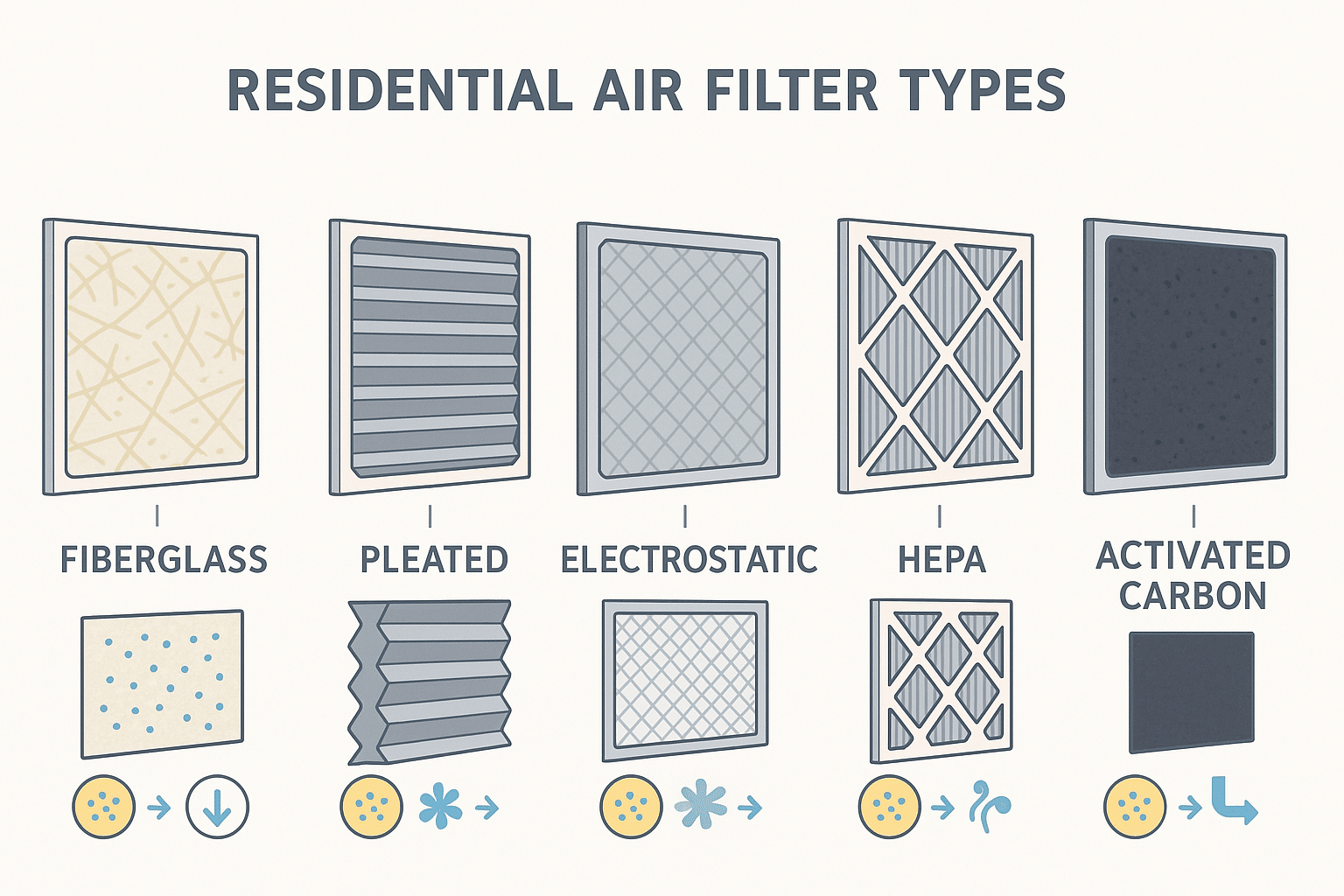
High-quality HEPA filtration systems can significantly reduce particulate matter and some biological contaminants, but they cannot address all common indoor air pollutants in Dubai homes. VOCs and formaldehyde require activated carbon filtration, while mould sources need physical removal. Professional assessment determines the right combination of purification technologies for your specific situation.
Why do new Dubai buildings often have worse air quality than older ones?
New constructions contain fresh building materials that off-gas VOCs at higher rates. The airtight construction methods used in energy-efficient Dubai buildings also trap these pollutants indoors. Unlike older buildings with more air infiltration, new properties may require deliberate ventilation strategies to manage common indoor air pollutants effectively.
How does Dubai’s climate affect common indoor air pollutants?
Dubai’s extreme heat necessitates year-round air conditioning, which creates ideal conditions for mould growth in HVAC systems. The desert environment introduces fine particulate matter, while high temperatures accelerate chemical off-gassing from materials. These climate factors create a unique profile of common indoor air pollutants in Dubai homes that differs from temperate regions.
Conclusion
Understanding common indoor air pollutants in Dubai homes requires recognising how the region’s climate, construction practices, and lifestyle patterns create distinctive contamination profiles. Biological contaminants from HVAC systems, chemical off-gassing from building materials, particulate matter from desert environments, and combustion byproducts from household activities all contribute to indoor air quality challenges.
Professional assessment using laboratory-backed methodology provides the definitive identification needed for effective intervention. Rather than guessing which common indoor air pollutants in Dubai homes affect your property, scientific measurement creates targeted solutions that address root causes rather than symptoms. This evidence-based approach transforms indoor air quality from an abstract concern to a manageable aspect of home maintenance.

JV de Castro, IAC2
JV de Castro is the Chief Technology Officer at Saniservice, where he leads innovation in indoor environmental sciences, IT infrastructure, and digital transformation. With over 20 years of experience spanning architecture, building science, technology management, digital media architecture, and consultancy, he has helped organizations optimize operations through smart solutions and forward-thinking strategies. JV holds a Degree in Architecture, a Masters of Research in Anthropology, an MBA in Digital Communication & Media, along with certifications in mold, building sciences and advanced networking. Passionate about combining technology, health, and sustainability, he continues to drive initiatives that bridge science, IT, and business impact.