Interpreting Indoor Air Quality Test Results Dubai Guide
Interpreting indoor air quality test results begins with understanding that Dubai’s unique climate—45°C summers, high humidity, and AC-dependent living—creates distinct contamination patterns unseen in temperate climates. Unlike generic online guides, proper interpretation requires context-specific knowledge of thermophilic organisms, dust composition, and building envelope performance in desert environments. As an IAC2 Certified Indoor Air Consultant with Saniservice’s Indoor Sciences division, I approach each report as a diagnostic narrative telling the story of what’s happening inside your walls.
The most critical realisation about Interpreting Indoor Air quality test results is that numbers alone are meaningless without context. A spore count of 500 per cubic metre might be acceptable in one environment but dangerous in another, depending on species, location, and occupant sensitivity. Dubai residents particularly need to understand that European and American standards don’t always apply here—our buildings breathe differently, our microbial ecosystems are distinct, and our ventilation challenges are unique to rapid-construction desert architecture.
Interpreting Indoor Air Quality Test Results – Understanding Laboratory Report Components
Interpreting indoor air quality test results starts with familiarising yourself with standard report sections. A comprehensive Dubai lab report typically includes airborne mould spore counts, surface sampling data, VOC concentrations, particle matter measurements, and humidity readings. Each section tells part of the story—the airborne count shows what you’re breathing now, while surface samples reveal historical contamination and hidden reservoirs.
The quantification section presents raw numbers alongside reference ranges. Dubai properties often show elevated Aspergillus and Penicillium counts due to AC systems, while Cladosporium appears less frequently than in temperate climates. Pay particular attention to the presence-to-absence ratio—if a species appears indoors but not in the control outdoor sample, you’re dealing with an indoor amplification site rather than outdoor infiltration.
Microbial Identification Tables
Laboratory tables list identified species with concentration values in spores per cubic metre or colony-forming units. Dubai reports often highlight thermotolerant species like Aspergillus fumigatus that thrive in AC systems, and xerophilic types like Wallemia that survive in low-moisture environments. The key isn’t just the total count but the specific mixture—certain species combinations indicate water damage while others suggest dust-related issues.
Interpreting Indoor Air Quality Test Results for Mould Assessment
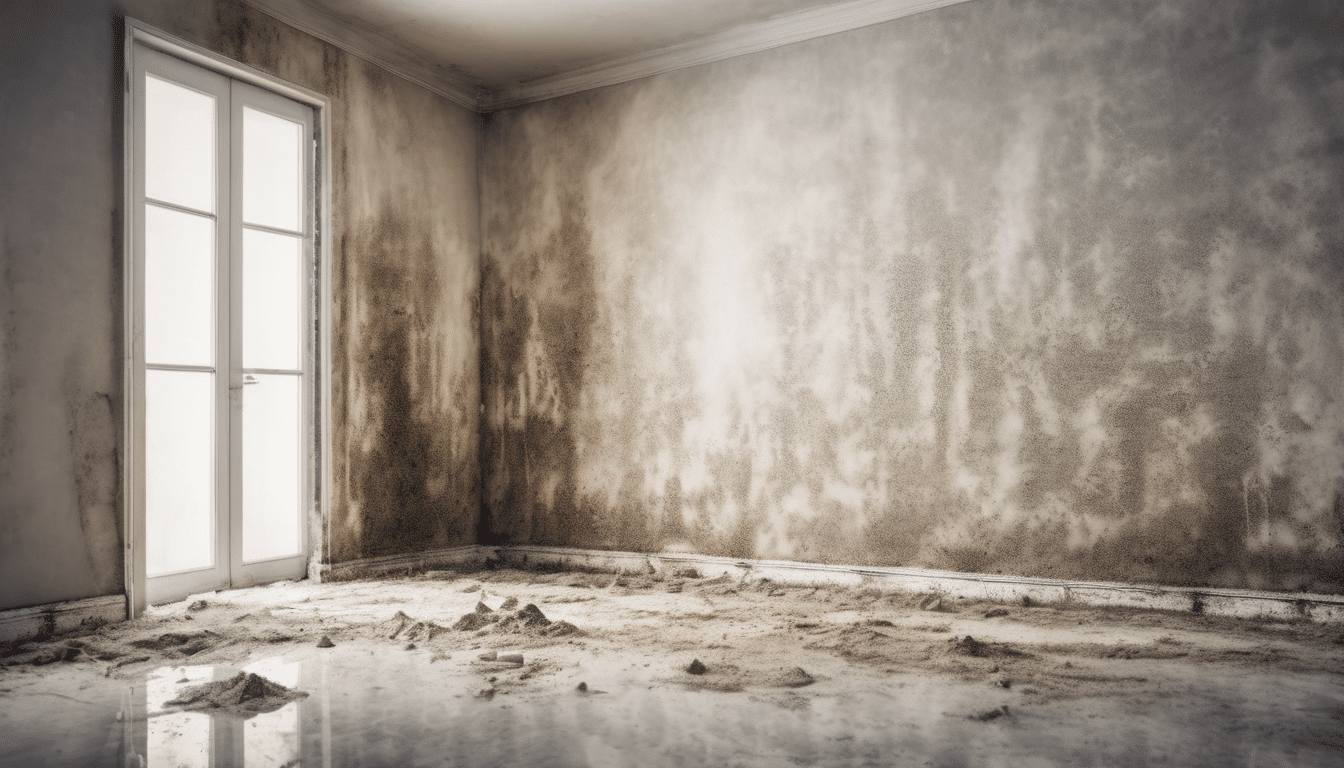
Interpreting indoor air quality test results for mould requires understanding both quantity and species significance. In Dubai properties, we frequently encounter elevated Aspergillus levels between 500-1,000 spores/m³ that would trigger concern elsewhere but may represent normal background here. The critical threshold isn’t an absolute number but the ratio between indoor and outdoor concentrations—if indoor levels exceed outdoor by 3:1, investigation is warranted.
Species pathogenicity matters more than total count. The presence of Stachybotrys chartarum (black mould) even at low concentrations requires immediate action, while common Cladosporium at moderate levels might simply indicate need for better filtration. Dubai’s laboratory analysis includes humidity readings alongside spore counts because many species proliferate above 60% relative humidity—a common condition in poorly maintained AC systems.
Interpreting Indoor Air Quality Test Results – Volatile Organic Compound Interpretation Guidelines
Interpreting indoor air quality test results for VOCs involves comparing detected concentrations against UAE safety standards and understanding source implications. Dubai homes often show elevated formaldehyde from pressed-wood furniture and toluene from cleaning products. The report will list compounds in micrograms per cubic metre with colour-coded indicators showing exceedance of recommended limits.
Pattern recognition is crucial—high benzene levels might indicate garage infiltration or smoking, while elevated limonene suggests recent cleaning product use. Dubai’s sealed building environment means VOCs accumulate rather than dissipate, making even moderate levels concerning over prolonged exposure. The temporal pattern matters too—spikes during certain hours might correlate with specific activities or system operations.
Particulate Matter and Allergen Analysis
Interpreting indoor air quality test results for particulate matter requires understanding size fractions and composition. PM2.5 particles (under 2.5 micrometres) penetrate deepest into lungs, while PM10 includes larger dust particles. Dubai’s desert environment creates unique particulate profiles with higher mineral content than European cities.
Allergen testing identifies specific proteins from dust mites, pet dander, and cockroach debris. Dubai’s climate naturally suppresses dust mites due to low humidity, but AC systems can create microclimates where they thrive. Elevated allergen levels often correlate with inadequate filtration or infrequent duct cleaning rather than fundamental building issues.
Dubai-Specific Interpretation Considerations
Interpreting indoor air quality test results in Dubai requires adjusting expectations for local conditions. Our in-house laboratory at Saniservice’s Indoor Sciences division has established Dubai-specific baselines through testing thousands of properties. For example, we expect higher background pollen counts during shamal wind seasons and different microbial patterns in villas versus high-rises.
Building age significantly affects interpretation—properties under 5 years old often show VOC off-gassing from new materials, while older buildings demonstrate microbial issues from ageing AC systems. The construction quality wave of 2000-2010 left many Dubai properties with envelope issues that create unique interpretation challenges not found in newer developments.
Action Thresholds and Response Planning
Interpreting indoor air quality test results culminates in determining action thresholds. We categorise findings into three levels: Level 1 (monitor and maintain) for minor elevations within expected ranges, Level 2 (investigate and address) for clear exceedances requiring identification of sources, and Level 3 (remediate immediately) for hazardous conditions demanding professional intervention.
The response plan should prioritise based on health impact—addressing microbial amplification sites before particulate filtration, tackling known carcinogens like formaldehyde before less dangerous compounds. Dubai residents should particularly focus on AC system interventions since these represent the primary ventilation pathway in our climate-sealed environments.
Correlating Multiple Data Points
Advanced interpreting indoor air quality test results involves connecting disparate data points into a coherent narrative. Elevated humidity readings alongside Aspergillus counts indicate active growth conditions. High VOC levels with low ventilation rates suggest accumulation rather than generation. Particle composition analysis can distinguish between desert dust infiltration and indoor-generated particles from activities like cooking.
This correlation exercise often reveals the root cause—not just the symptoms. A Dubai villa showing elevated mould counts might actually have an underground water leak rather than an AC issue, while a high-rise apartment with VOC issues might be suffering from stack effect pulling garage fumes upward through the building.
Expert Tips for Interpreting Your Report
Always request the full laboratory report rather than a summary—the details matter. Look for the quality control section to ensure proper calibration and methodology. Compare against the outdoor control sample to distinguish between infiltration and amplification. Request species-level identification rather than general categories—knowing which Aspergillus species is present changes the risk assessment.
Consider temporal patterns—if testing occurred during unusual conditions (recent renovation, seasonal changes), the results might not represent typical exposure. For Dubai residents, always include AC outlet sampling since this represents the air you’re actually breathing. Finally, consult with an IAC2-certified professional who understands Dubai’s unique building science challenges.
Frequently Asked Questions
What is the most common error in interpreting indoor air quality test results?
The most common error is focusing solely on total mould count without considering species identification. In Dubai, moderately elevated Aspergillus counts often reflect normal AC operation rather than contamination, while even low Stachybotrys levels require immediate action.
How often should Dubai homeowners conduct air quality testing?
We recommend annual comprehensive testing for most Dubai properties, with additional targeted testing if you notice musty odours, experience unexplained health symptoms, or after significant events like flooding or renovation. AC-dependent environments require more frequent monitoring than naturally ventilated structures.
Can I interpret indoor air quality test results myself?
While basic parameters like PM2.5 levels are straightforward, proper interpretation of microbial and VOC results requires professional training. Dubai’s unique environment means many online resources provide misleading guidance based on temperate climate assumptions.
What makes interpreting Dubai test results different from other regions?
Dubai’s extreme climate, rapid construction history, AC dependency, and desert dust create unique interpretation challenges. Microbial ecosystems differ significantly, building materials off-gas differently in high temperatures, and ventilation strategies don’t follow conventional patterns.
How long should I wait after remediation to retest?
For most remediation projects in Dubai properties, we recommend waiting 7-10 days after completion before retesting. This allows particles to settle and provides accurate post-remediation verification while ensuring any remaining issues are detectable.
Interpreting indoor air quality test results transforms raw data into actionable intelligence about your living environment. In Dubai’s unique context, this process requires specialised knowledge of local construction, climate impacts, and microbial ecosystems. The most valuable outcome isn’t just understanding what’s present today, but identifying the underlying systems and behaviours that will determine your air quality tomorrow.

JV de Castro, IAC2
JV de Castro is the Chief Technology Officer at Saniservice, where he leads innovation in indoor environmental sciences, IT infrastructure, and digital transformation. With over 20 years of experience spanning architecture, building science, technology management, digital media architecture, and consultancy, he has helped organizations optimize operations through smart solutions and forward-thinking strategies. JV holds a Degree in Architecture, a Masters of Research in Anthropology, an MBA in Digital Communication & Media, along with certifications in mold, building sciences and advanced networking. Passionate about combining technology, health, and sustainability, he continues to drive initiatives that bridge science, IT, and business impact.